
Education and Remembrance: National Holocaust Remembrance Day in Romania
„În prima noapte, la Atachi, am văzut ce înseamnă mizeria omenească. Am văzut oameni fără chip omenesc, am văzut copii cu ochii umflați, picioarele degerate, mânuțe neputincioase: mame cu copii morți în brațe, bătrâni, tineri înveliți în zdrențe” – nota în jurnal, Miriam Korber (Bercovici), vineri, 7 noiembrie 1941.
Poveștile de viață ale celor care au supraviețuit atrocităților Holocaustului, lipsei de umanitate, indiferenței rămân mărturie pentru unul dintre cele mai întunecate episoade din istoria recentă a Europei și a României.
Păstrarea vie a memoriei reprezintă un omagiu adus victimelor Holocaustului, dar mai ales o responsabilitate a fiecăruia dintre noi.
Pe 9 octombrie 1941, autoritățile statului român au început deportările în Transnistria ale cetățenilor români de origine evreiască care locuiau în Bucovina de Sud. În semn de omagiu pentru sutele de mii de evrei și zecile de mii de romi uciși în perioada celui de-al Doilea Război Mondial de autoritățile române, 9 octombrie a fost desemnată Ziua Națională de Comemorare a Victimelor Holocaustului din România.
85 de ani mai târziu, în octombrie 2026, Institutul Național pentru Studierea Holocaustului din România „Elie Wiesel” a lansat o invitație celor care sunt deschiși să cunoască și să accepte istoria recentă, pentru a înțelege consecințele urii și ale lipsei de acțiune în fața atitudinilor extremiste.
În contextul Zilei Naționale de Comemorare și în acord cu obiectivele proiectului ECHOES of Memory de a promova memoria și educația, Institutul „Elie Wiesel” a organizat o serie de activități care au adus în prim-plan rolul memoriei și al educației despre Holocaust în modelarea unei societăți cu valori democratice, deschisă la dialog.
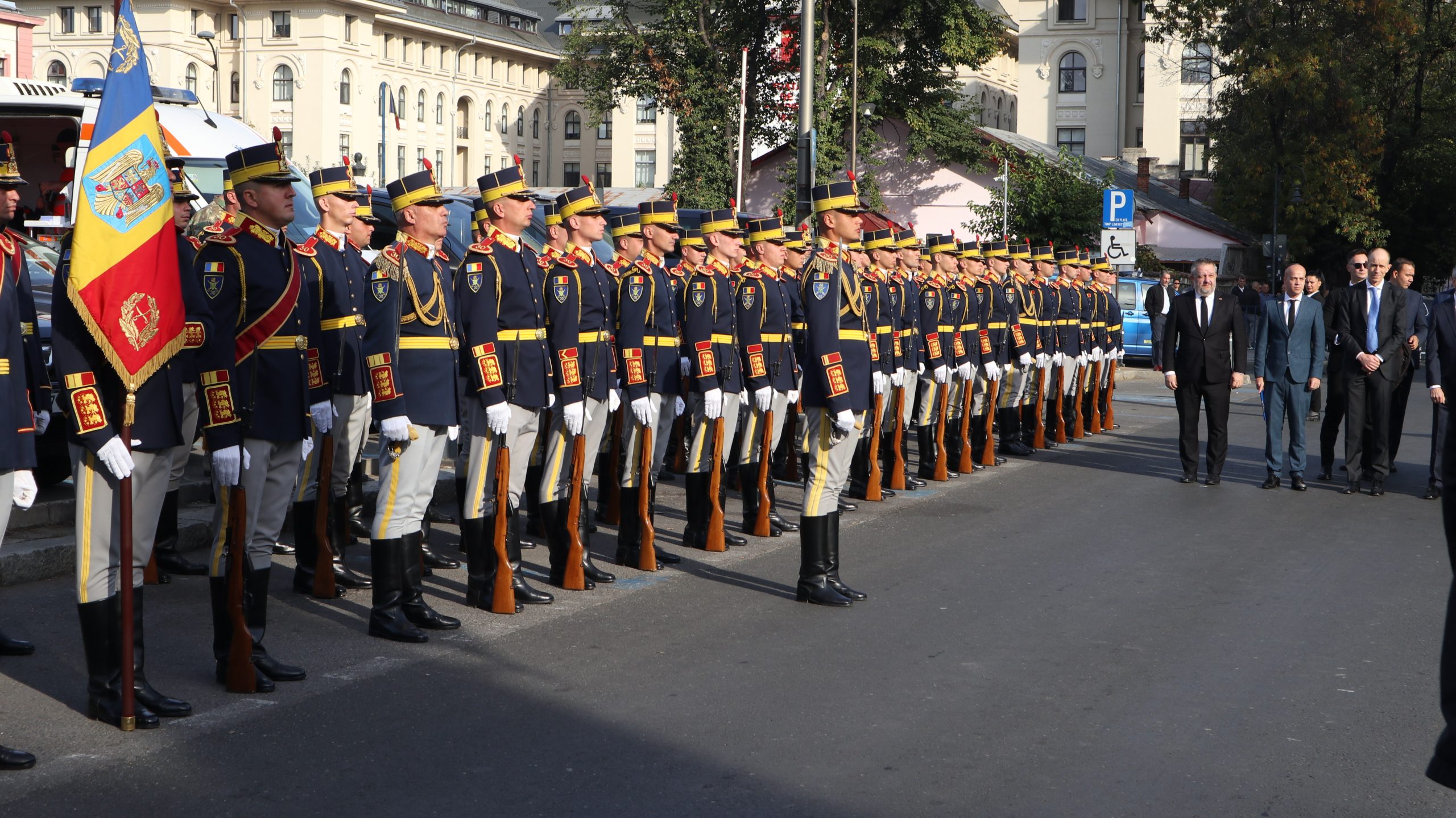
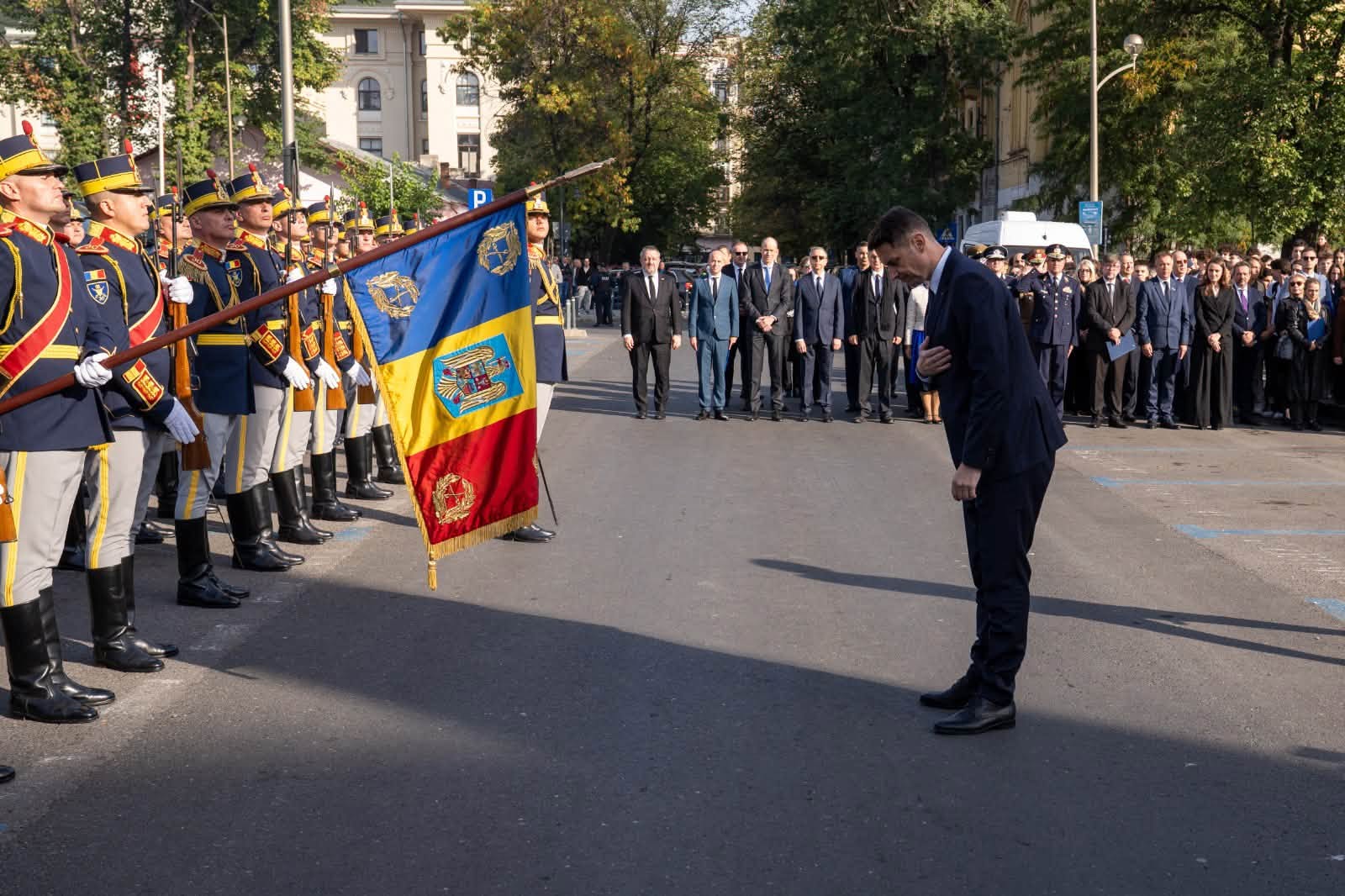
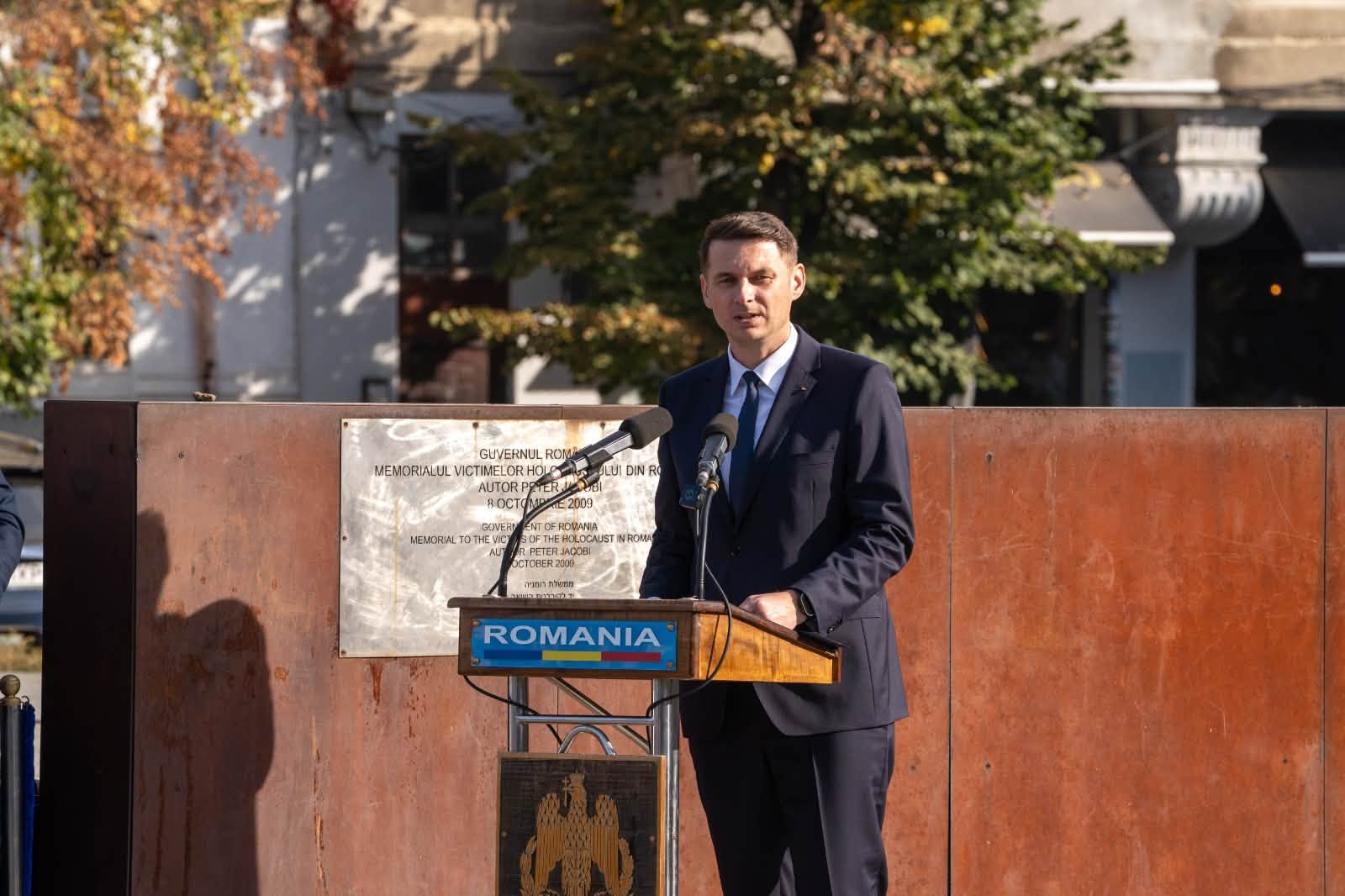
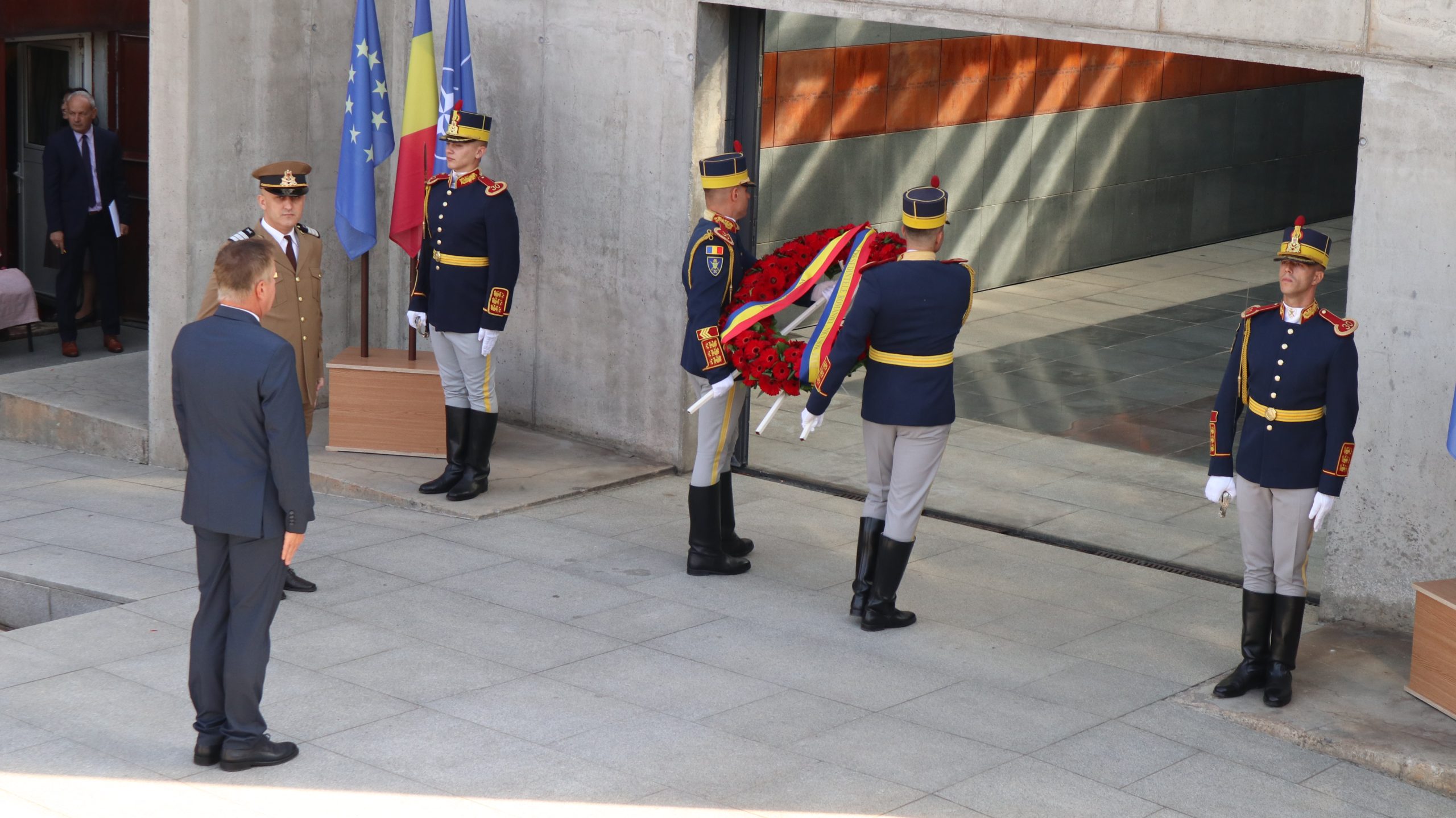
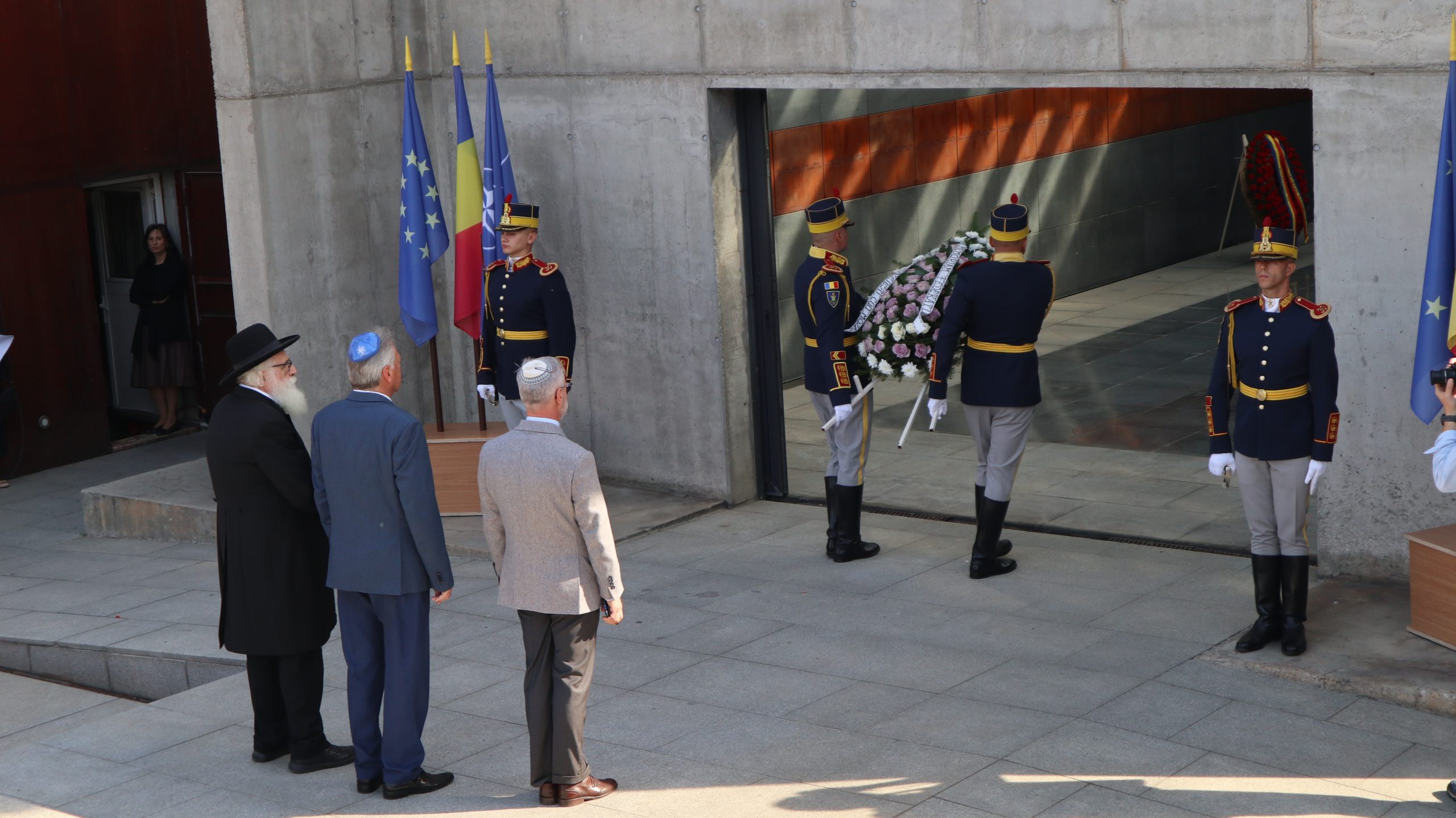
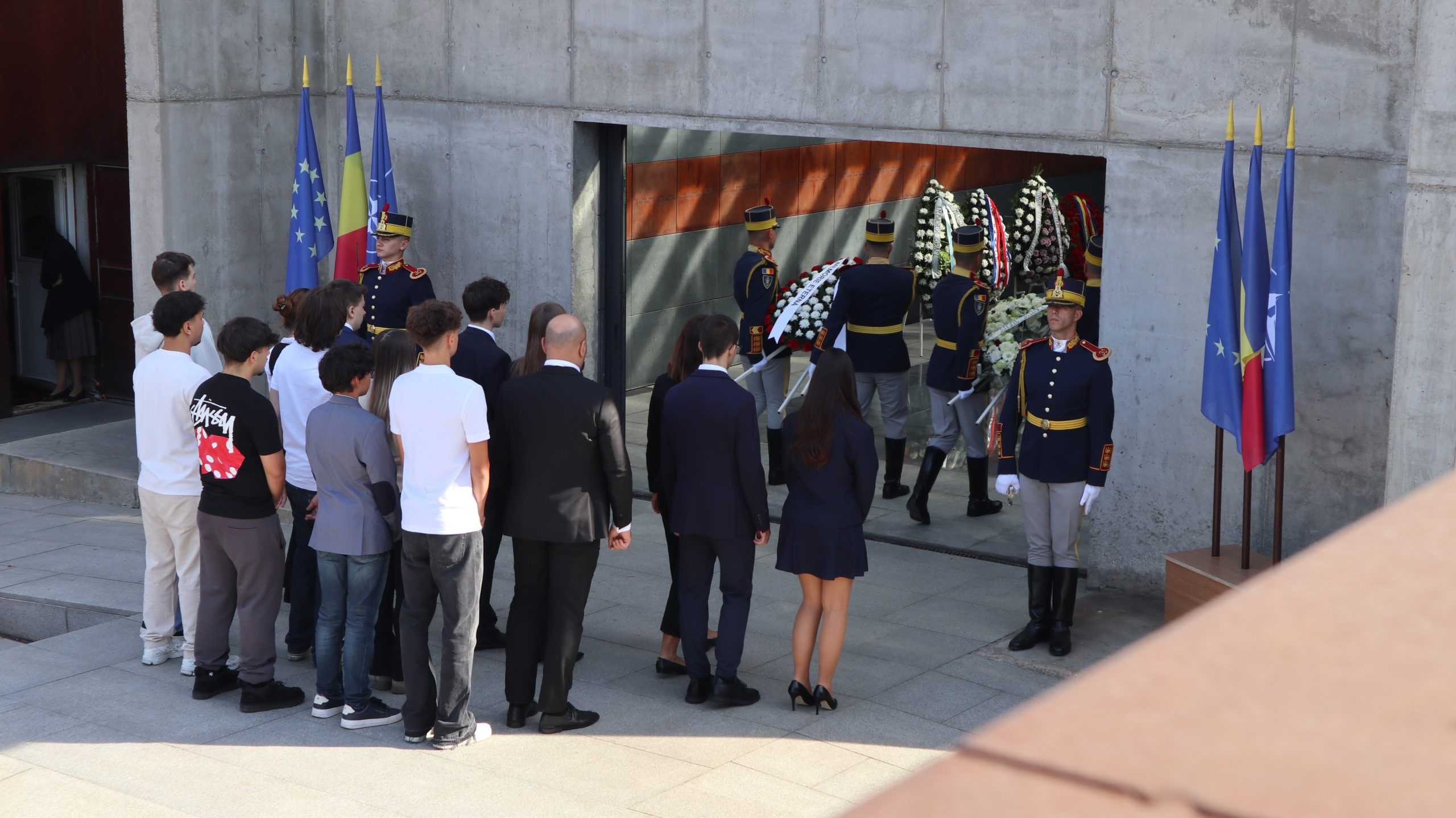
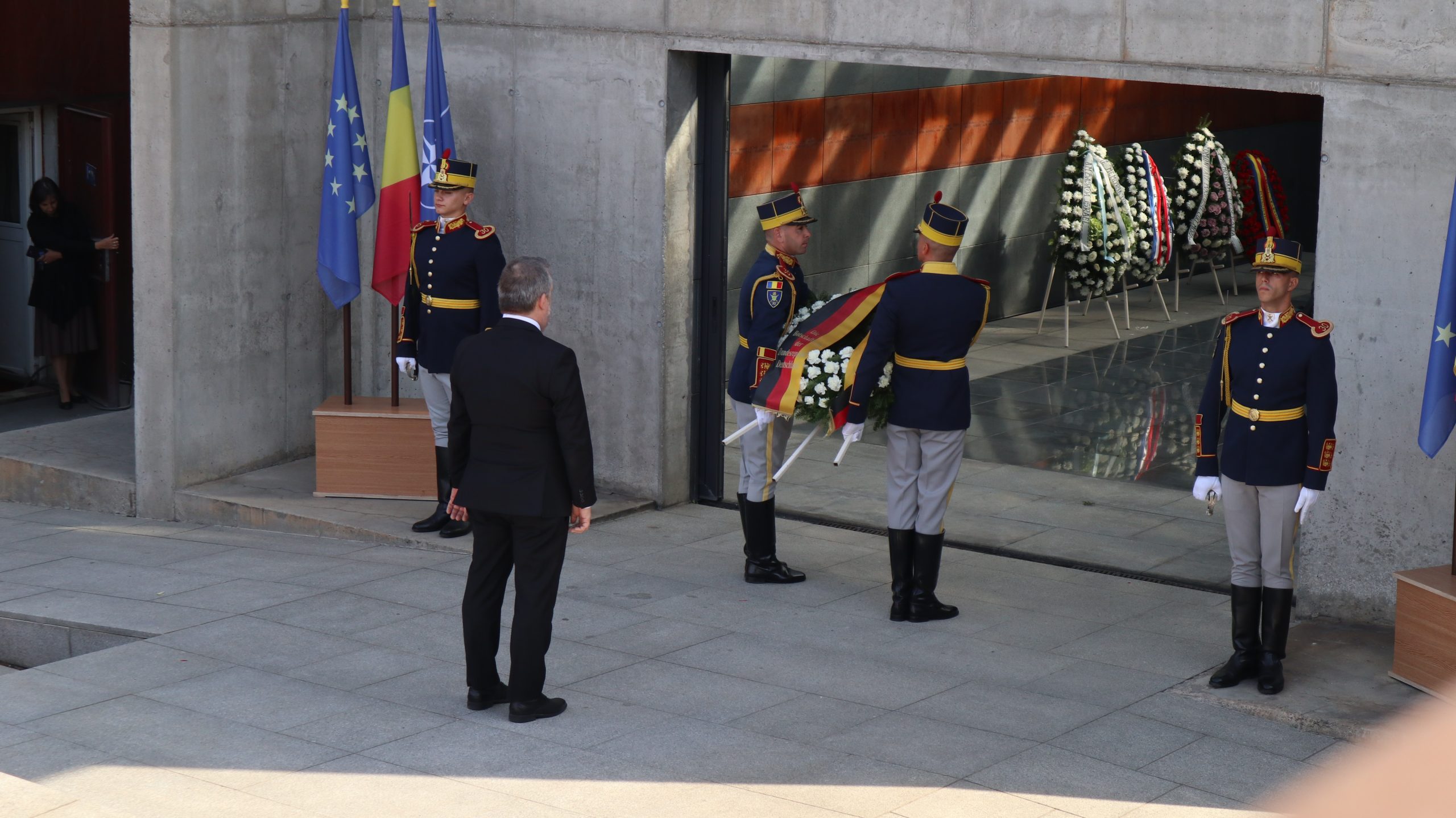
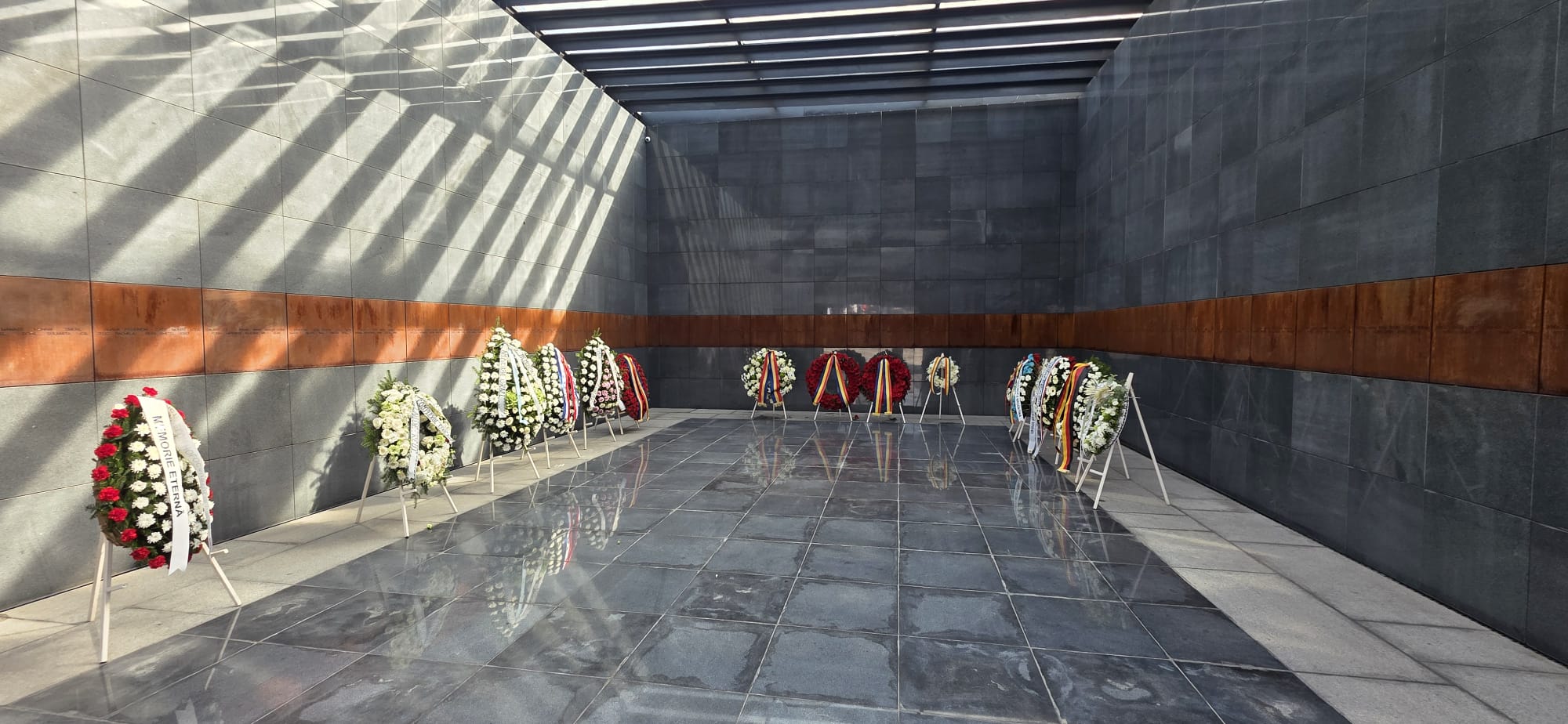
Vineri, 9 octombrie, la Memorialul Victimelor Holocaustului, în București, Institutul „Elie Wiesel” a organizat ceremonia anuală de comemorare la care au participat și au transmis un mesaj în memoria victimelor, reprezentanți ai Președintelui României, ai Parlamentului, ai Guvernului României, ai Corpului Diplomatic, ai comunităților de evrei și romi și ai societății civile.
“On the first night in Atachi, I saw what human misery really means. I saw people who no longer looked human; I saw children with swollen eyes, frostbitten feet, and helpless little hands; mothers holding dead children in their arms; the elderly; and young people wrapped in rags”—Miriam Korber (Bercovici) wrote in her diary on Friday, November 7, 1941.
The life stories of those who survived the atrocities of the Holocaust, the lack of humanity, and the indifference stand as a testimony to one of the darkest episodes in the recent history of Europe and Romania.
Keeping this memory alive is a tribute to the victims of the Holocaust, but above all, it is a responsibility for each and every one of us.
On October 9, 1941, the Romanian authorities began deporting Romanian citizens of Jewish origin living in Southern Bukovina to Transnistria. In tribute to the hundreds of thousands of Jews and tens of thousands of Roma killed during World War II by Romanian authorities, October 9 was designated as the National Day of Remembrance for the Victims of the Holocaust in Romania.
Eighty-five years later, in October 2026, the “Elie Wiesel” National Institute for the Study of the Holocaust in Romania extended an invitation to those open to learning about and accepting recent history, in order to understand the consequences of hatred and inaction in the face of extremist attitudes.
In the context of the National Holocaust Remembrance Day and in line with the objectives of the ECHOES of Memory project, which aims to promote remembrance, the “Elie Wiesel” Institute organized a series of activities that highlighted the role of remembrance and Holocaust education in shaping a society with democratic values that is open to dialogue.
On Friday, October 9, at the Holocaust Victims Memorial in Bucharest, the “Elie Wiesel” Institute organized the annual commemoration ceremony, which was attended by representatives of the President of Romania, the Parliament, the Romanian Government, the Diplomatic Corps, the Jewish and Roma communities, and civil society, who also delivered messages in memory of the victims.
Luni, 12 octombrie, a fost o zi dedicată activităților culturale și educaționale.
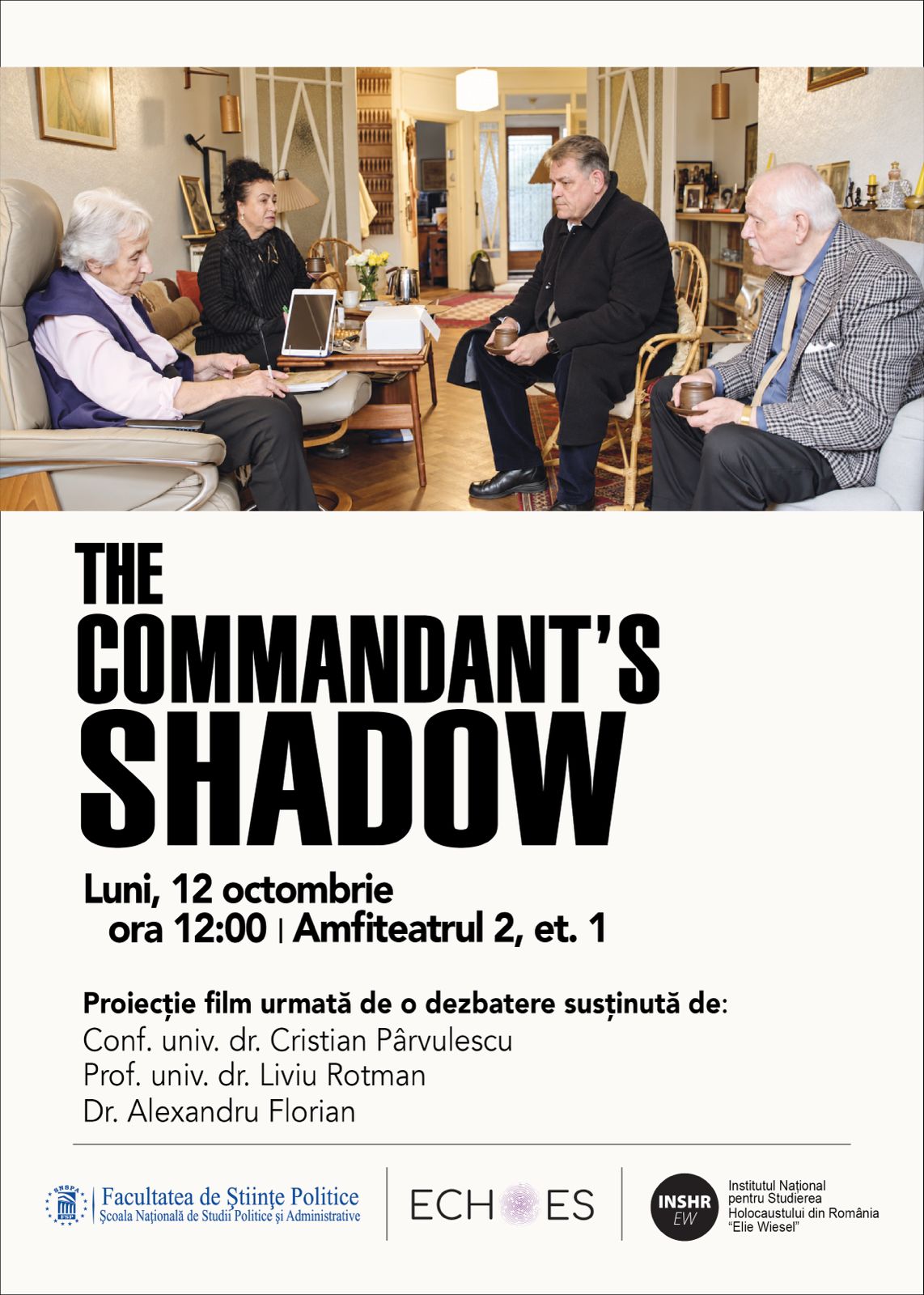
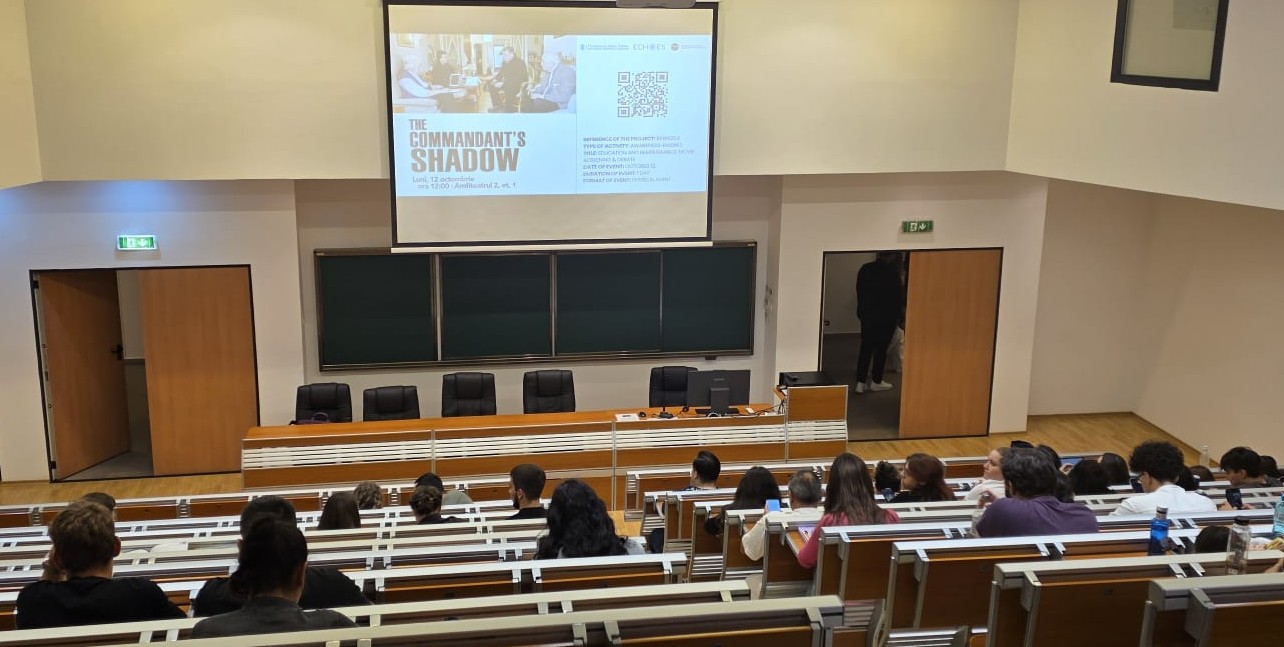
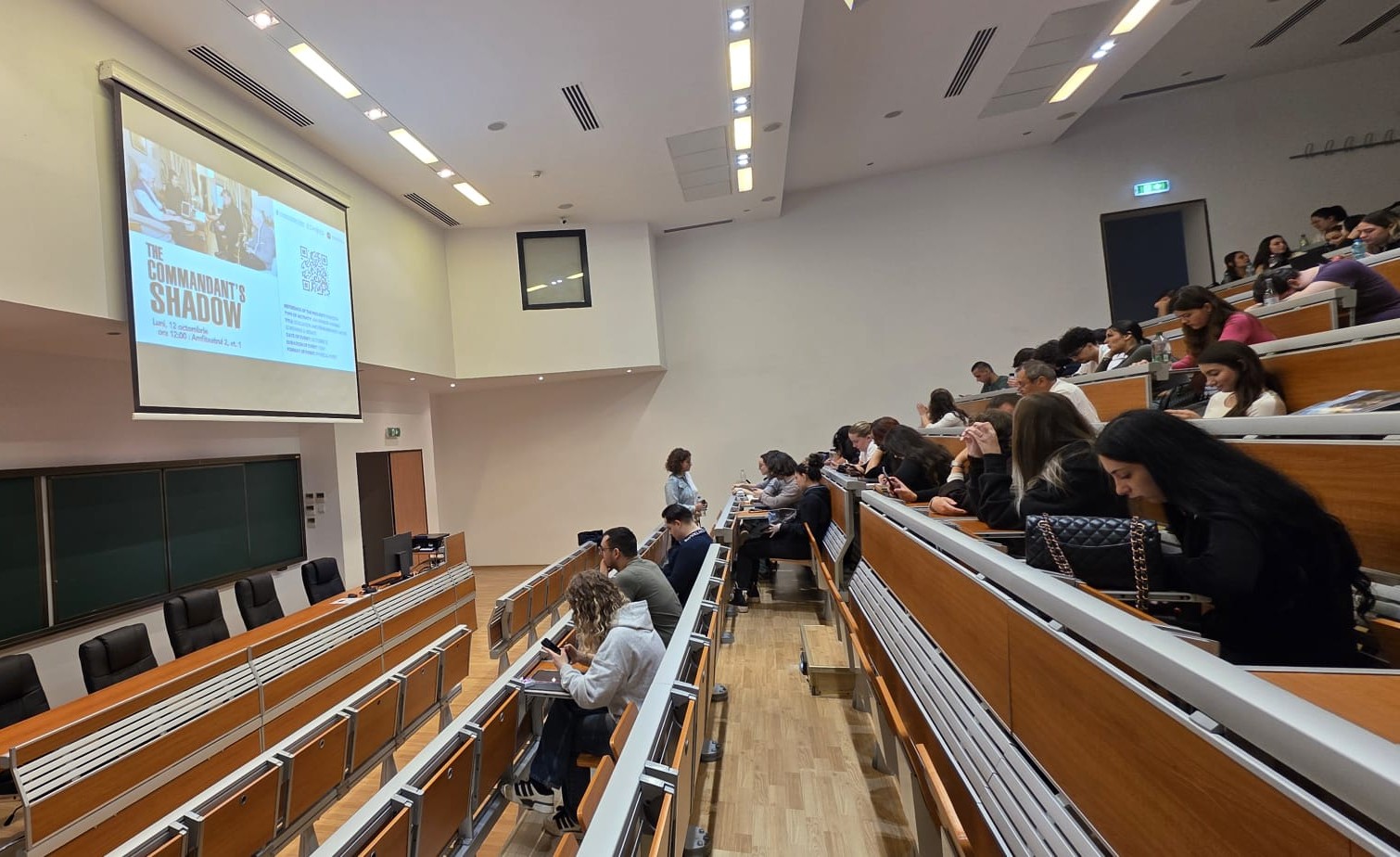
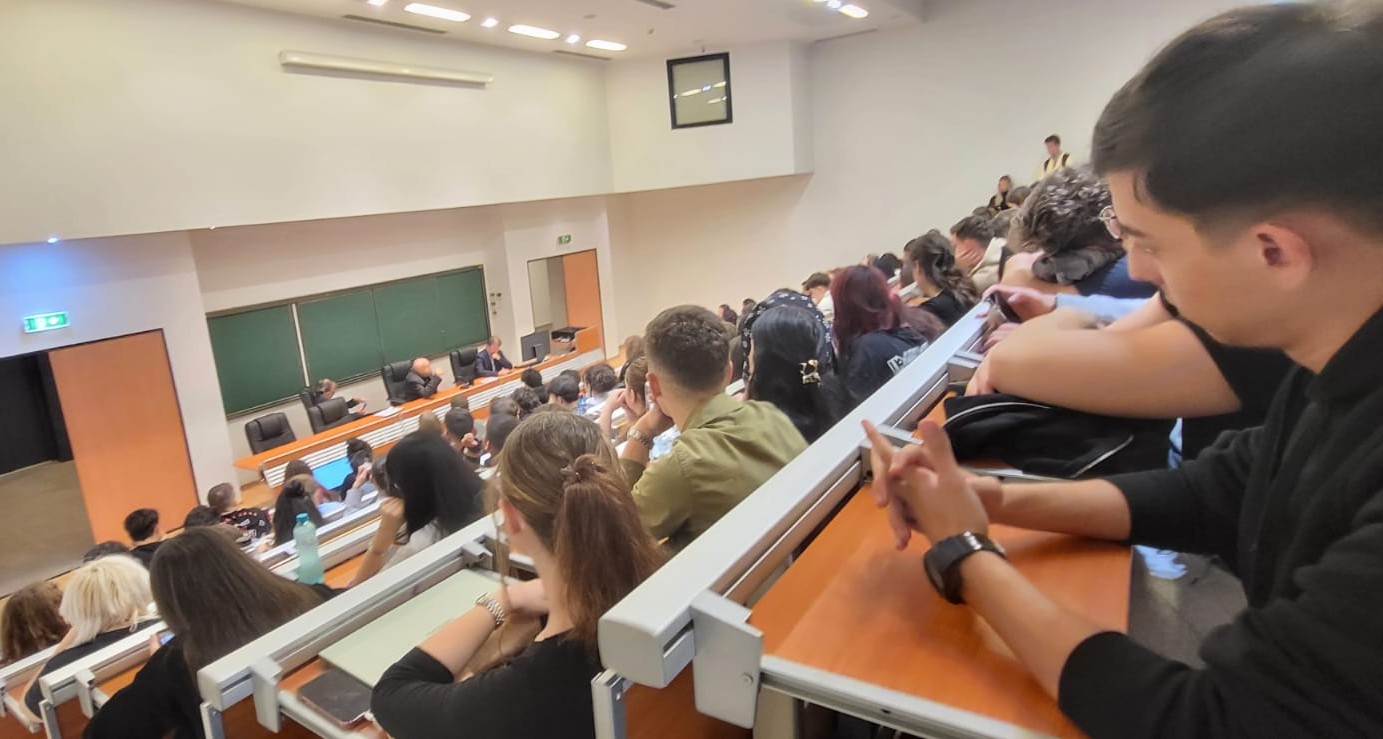
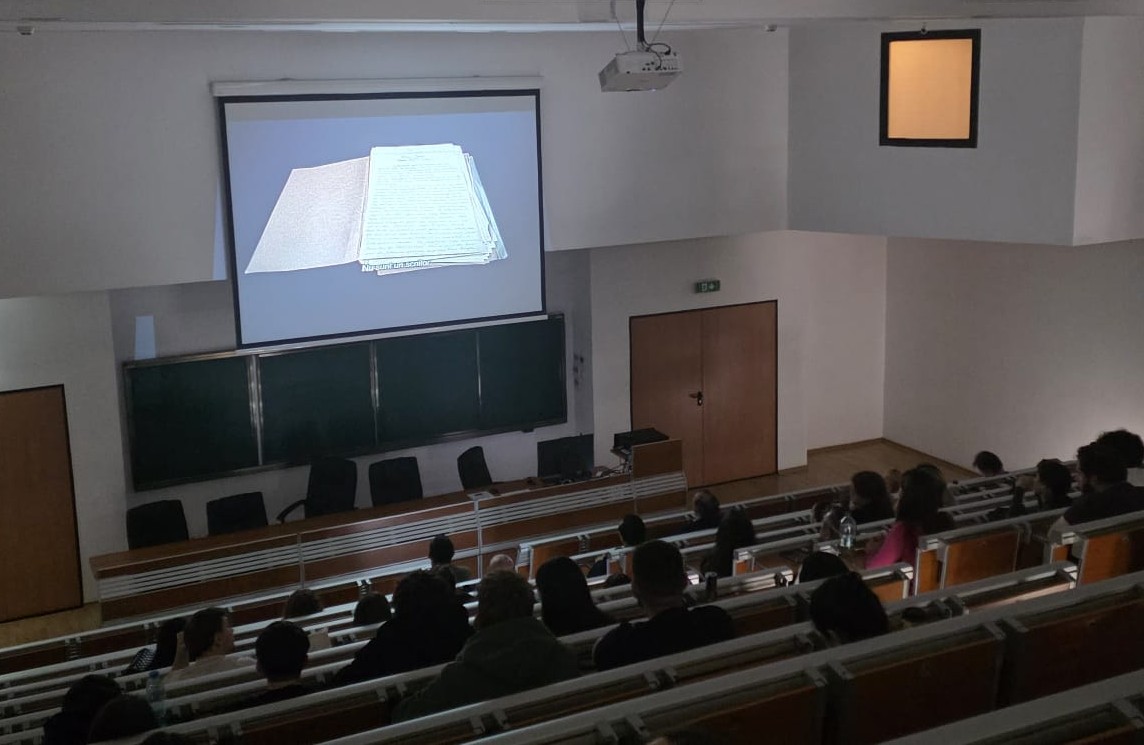
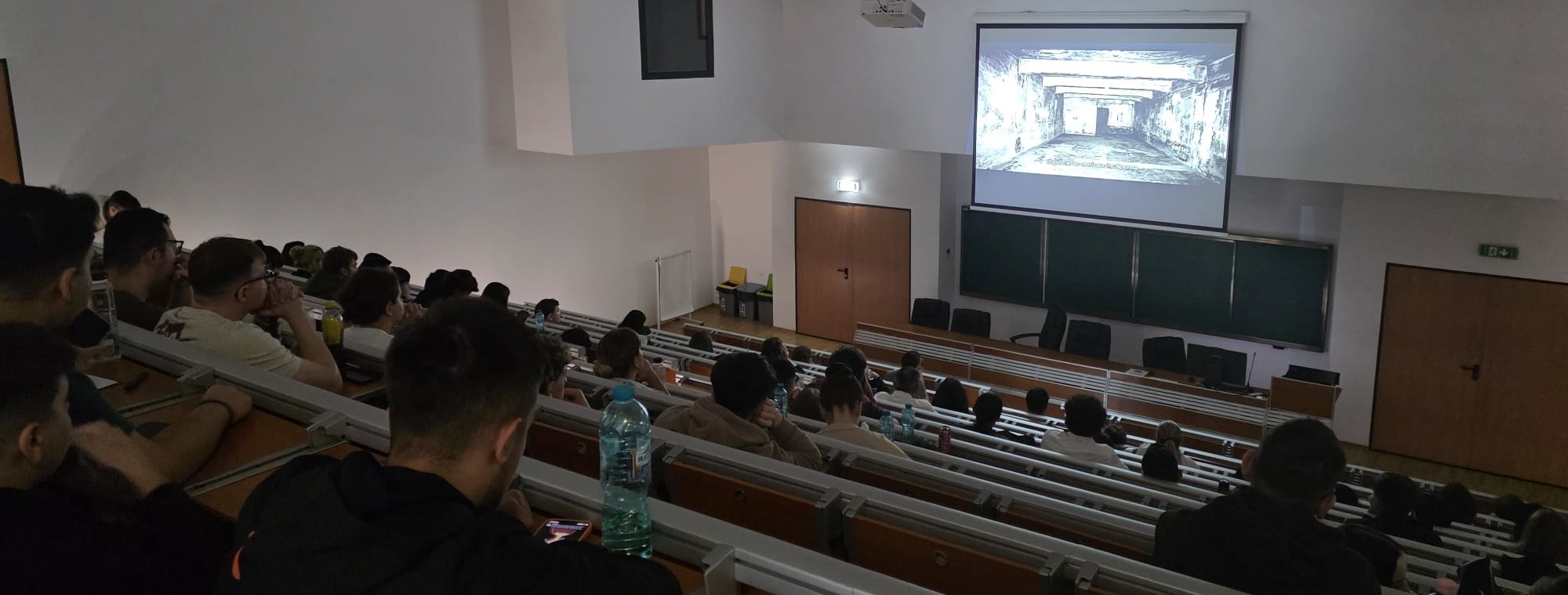
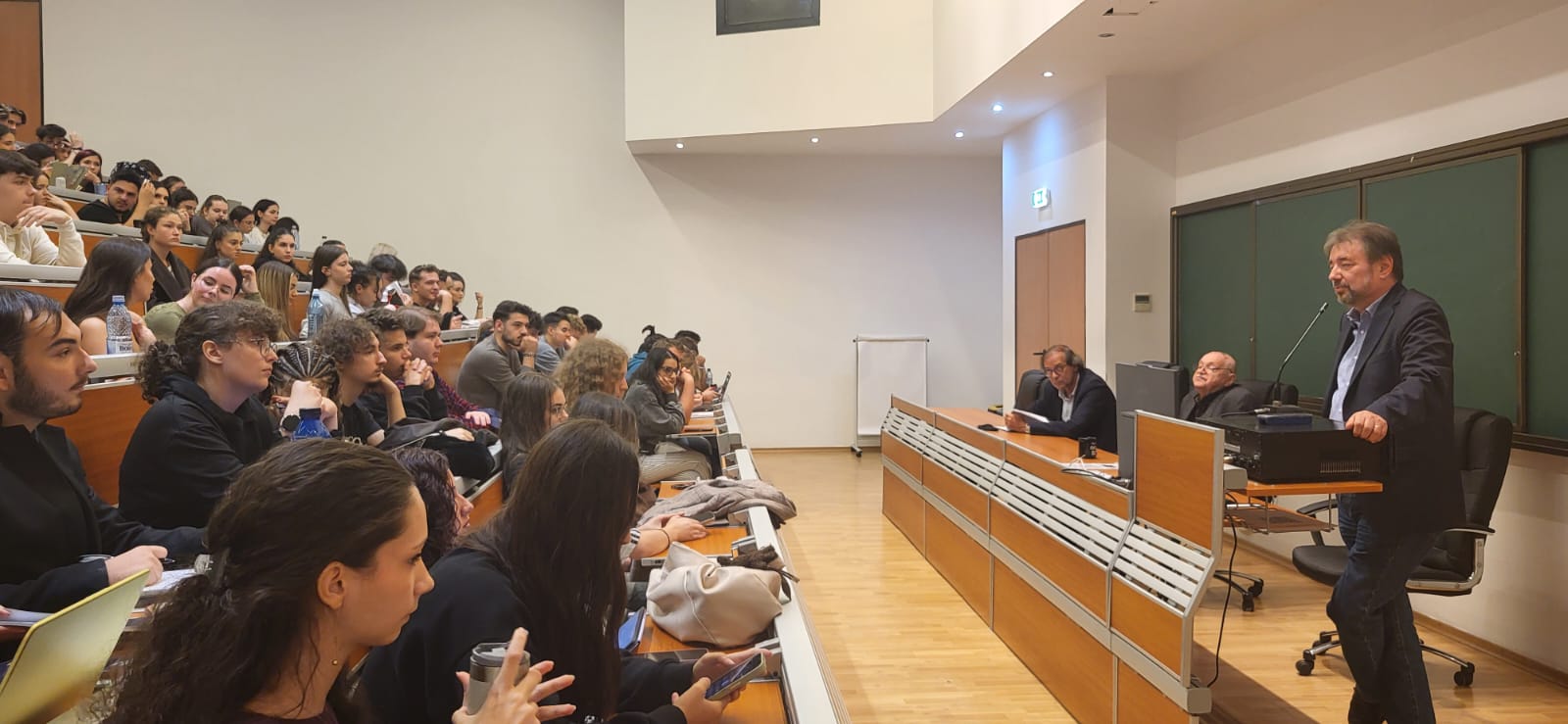
În parteneriat cu Facultatea de Științe Politice, din cadrul Școlii Naționale de Studii Politice și Administrative, Institutul „Elie Wiesel” i-a invitat pe studenți la proiecția unui film urmată de un dialog la care au participat decanul facultății, conf. Univ. Dr. Cristian Pârvulescu, prof. Liviu Rotman, directorul general al Institutului, dr. Alexandru Florian.
„În umbra comandantului” (The Commandant’s Shadow, courtesy of Warner Bros. Discovery and HBO Documentary Films with The Blair Partnership and Mean Streets Management) un documentar realizat de Daniela Volker, produs de Warner Bros, a deschis discuțiile despre rolul memoriei și impactul trecutului asupra generațiilor prezente. Filmul aduce în prim-plan experiențele și perspectivele diferite asupra evenimentelor din perioada celui de-al Doilea Război Mondial, redate prin prisma amintirilor și a discuțiilor purtate de o supraviețuitoare a lagărului de la Auschwitz cu fiica ei, precum și de fiul comandantului lagărului de la Auschwitz cu membrii familiei sale.
Monday, October 12, was a day dedicated to cultural and educational activities.
In partnership with the Faculty of Political Science at the National School of Political and Administrative Studies, the “Elie Wiesel” Institute invited students to a film screening followed by a discussion featuring the dean of the faculty, Associate Professor Cristian Pârvulescu, Ph.D., Professor Liviu Rotman, and the general director of the Institute, Ph.D. Alexandru Florian.
”The Commandant’s Shadow”, a documentary directed by Daniela Volker, screened by courtesy of Warner Bros. Discovery and HBO Documentary Films with The Blair Partnership and Mean Streets Management, sparked discussions about the role of memory and the impact of the past on present-day generations. The film highlights different experiences and perspectives on the events of World War II, as told through the memories and conversations of an Auschwitz survivor with her daughter, as well as those of the son of the Auschwitz camp commandant with his family members.
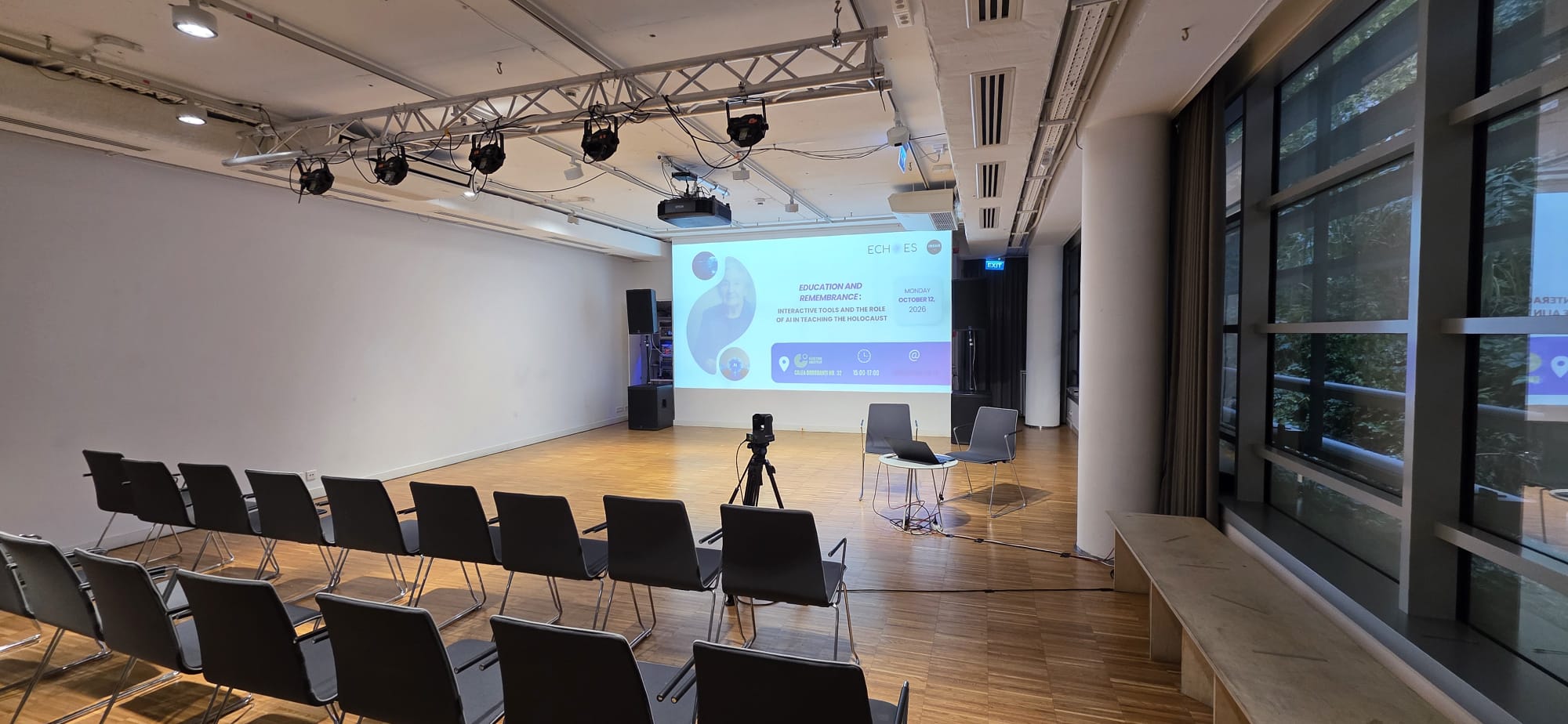
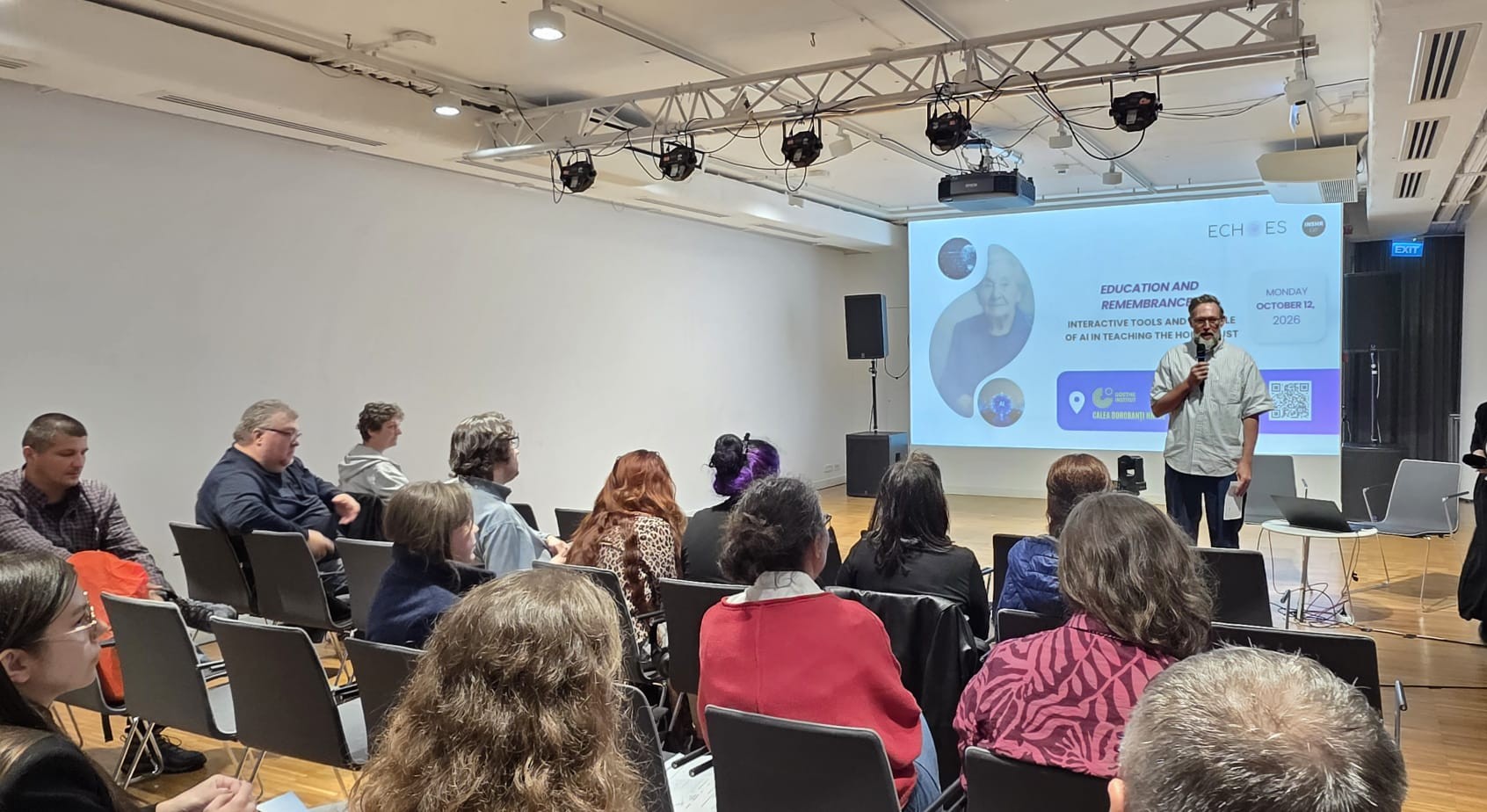
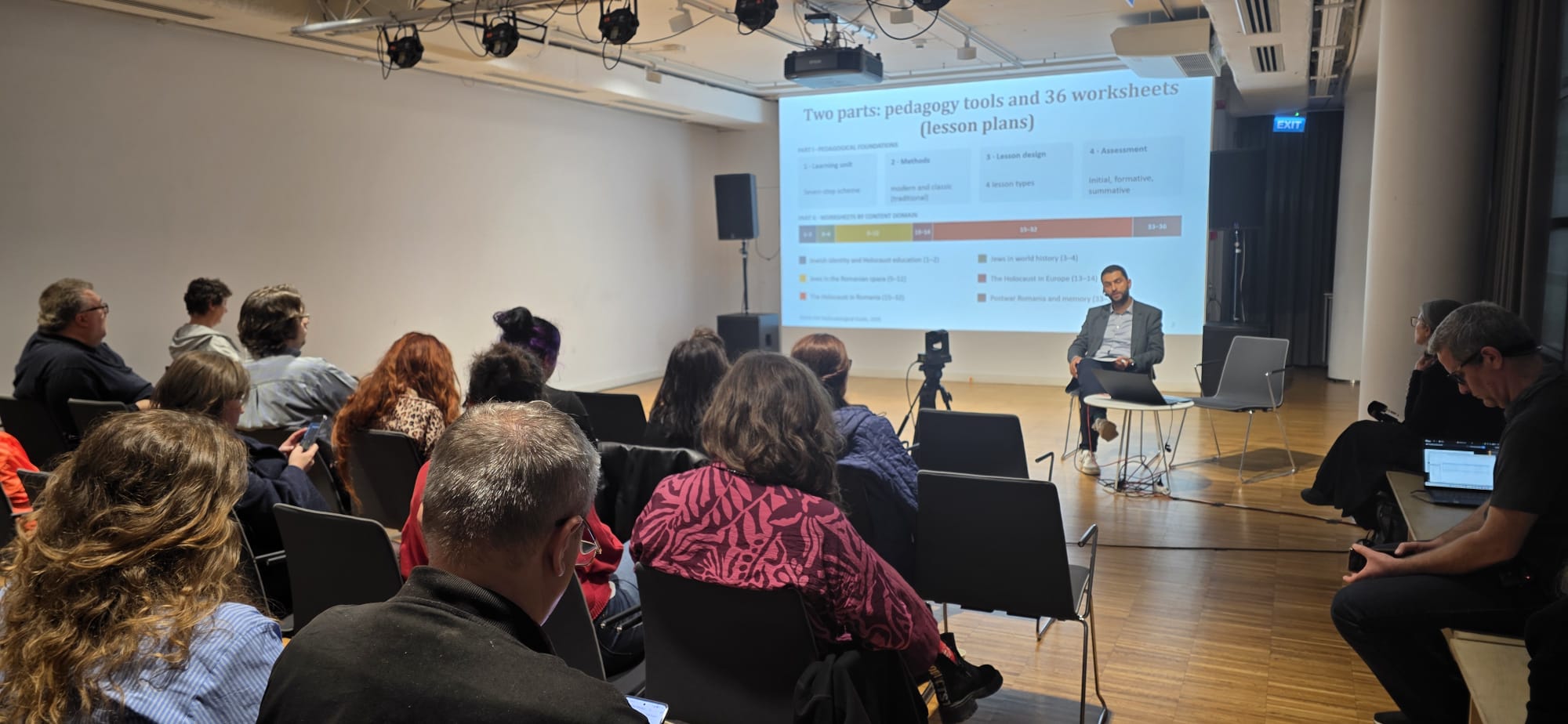
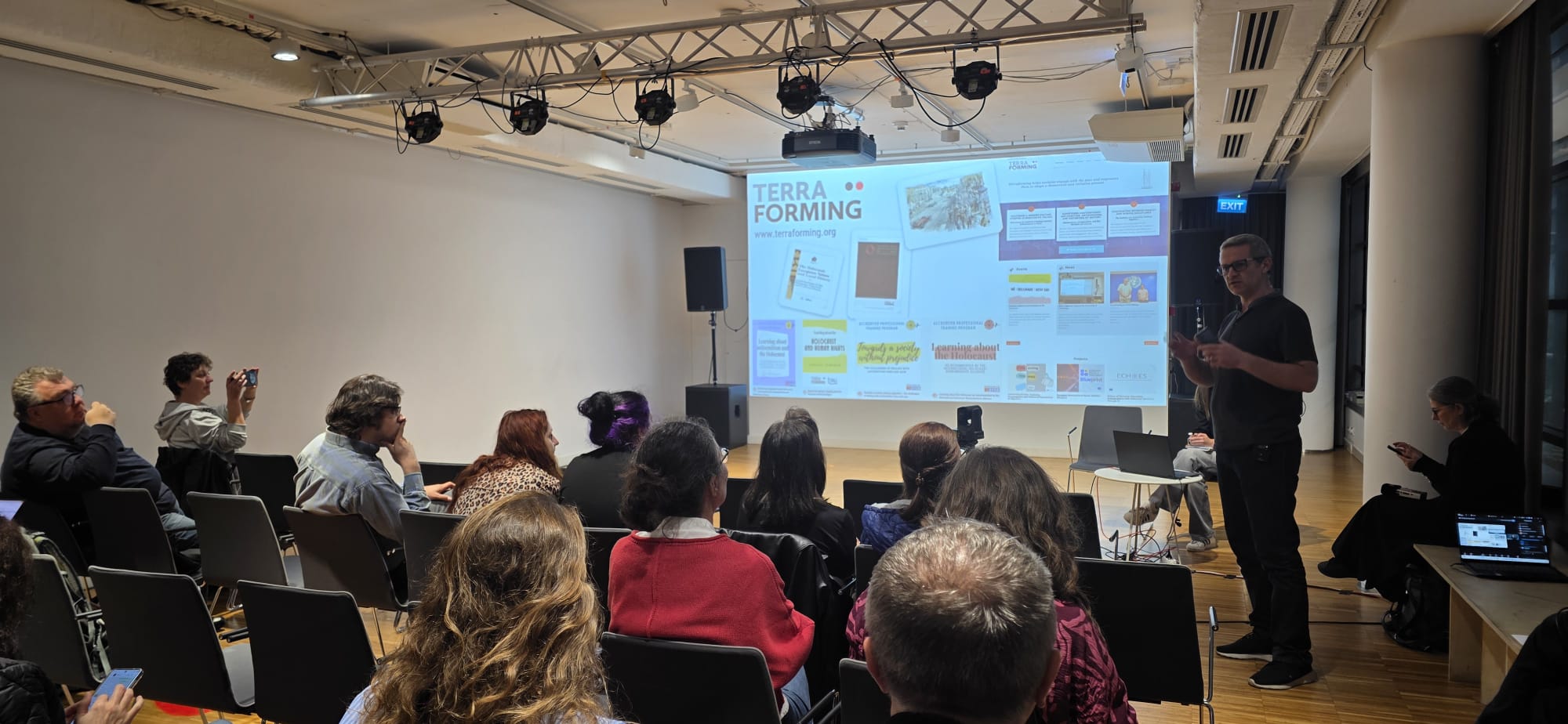
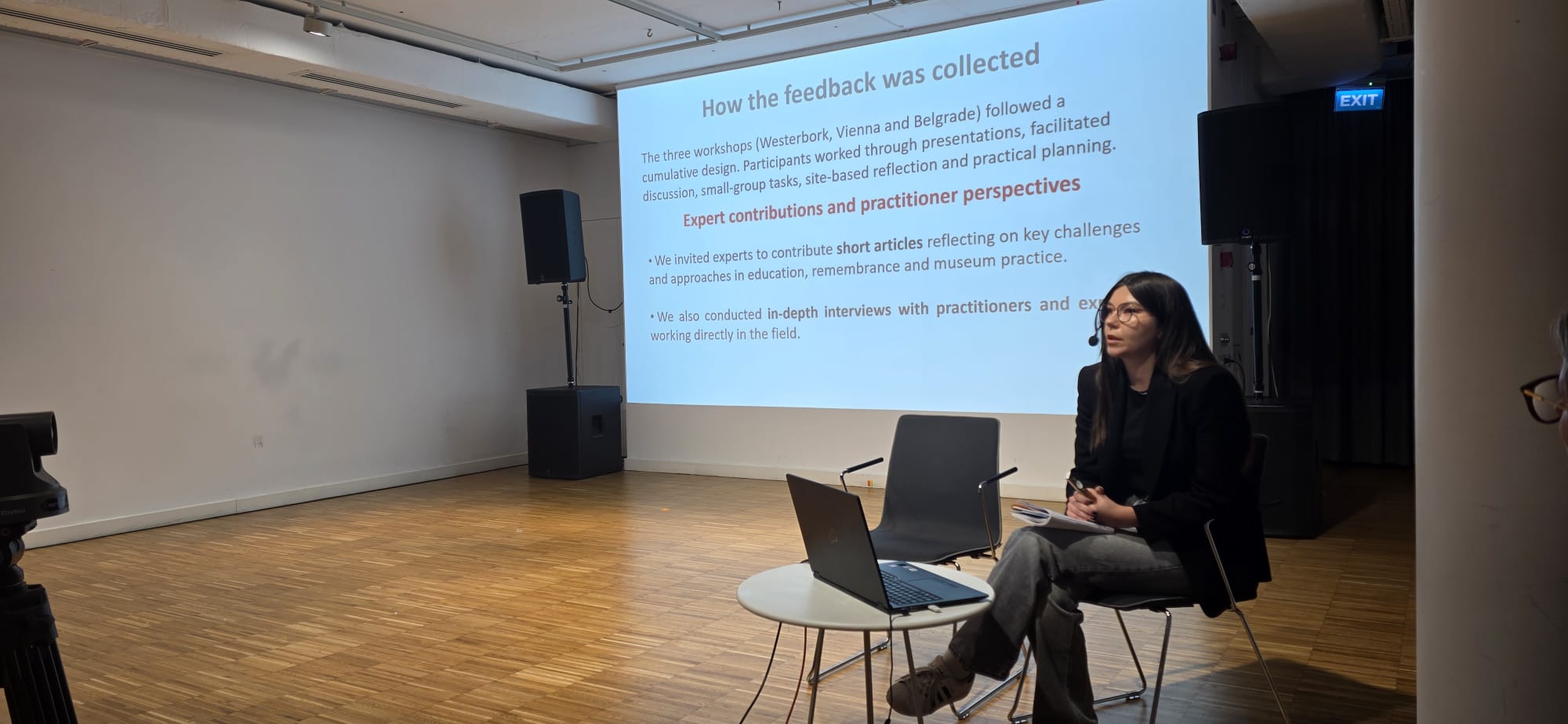
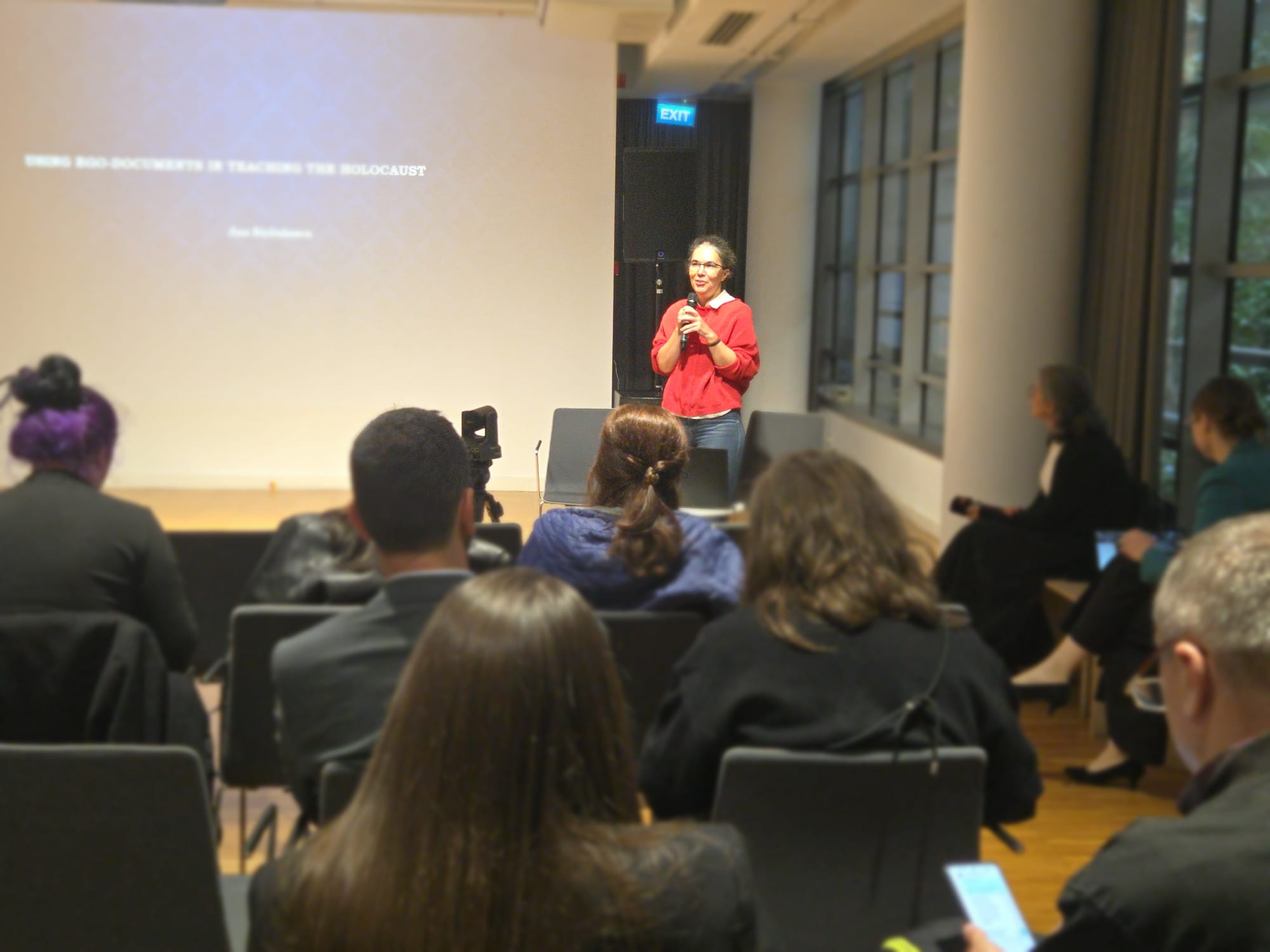
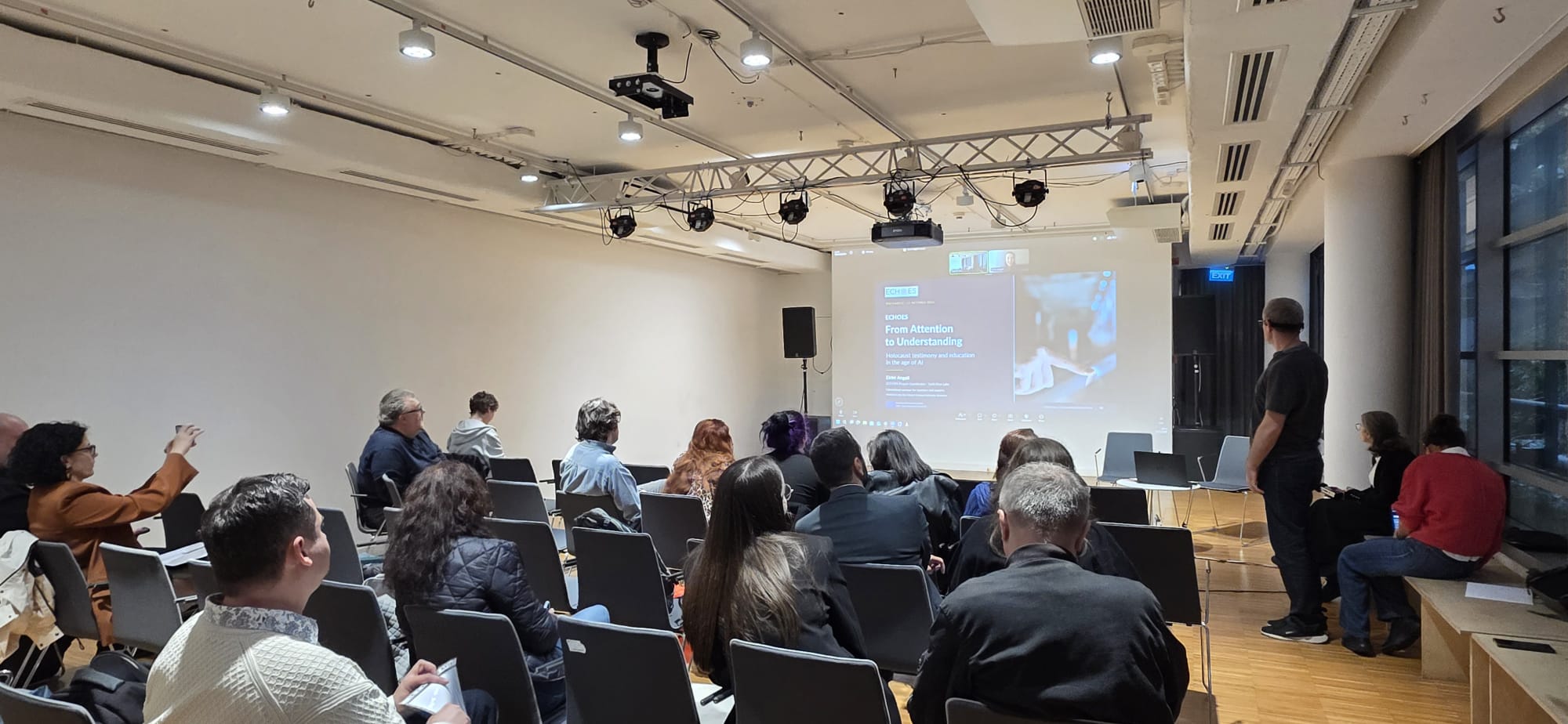
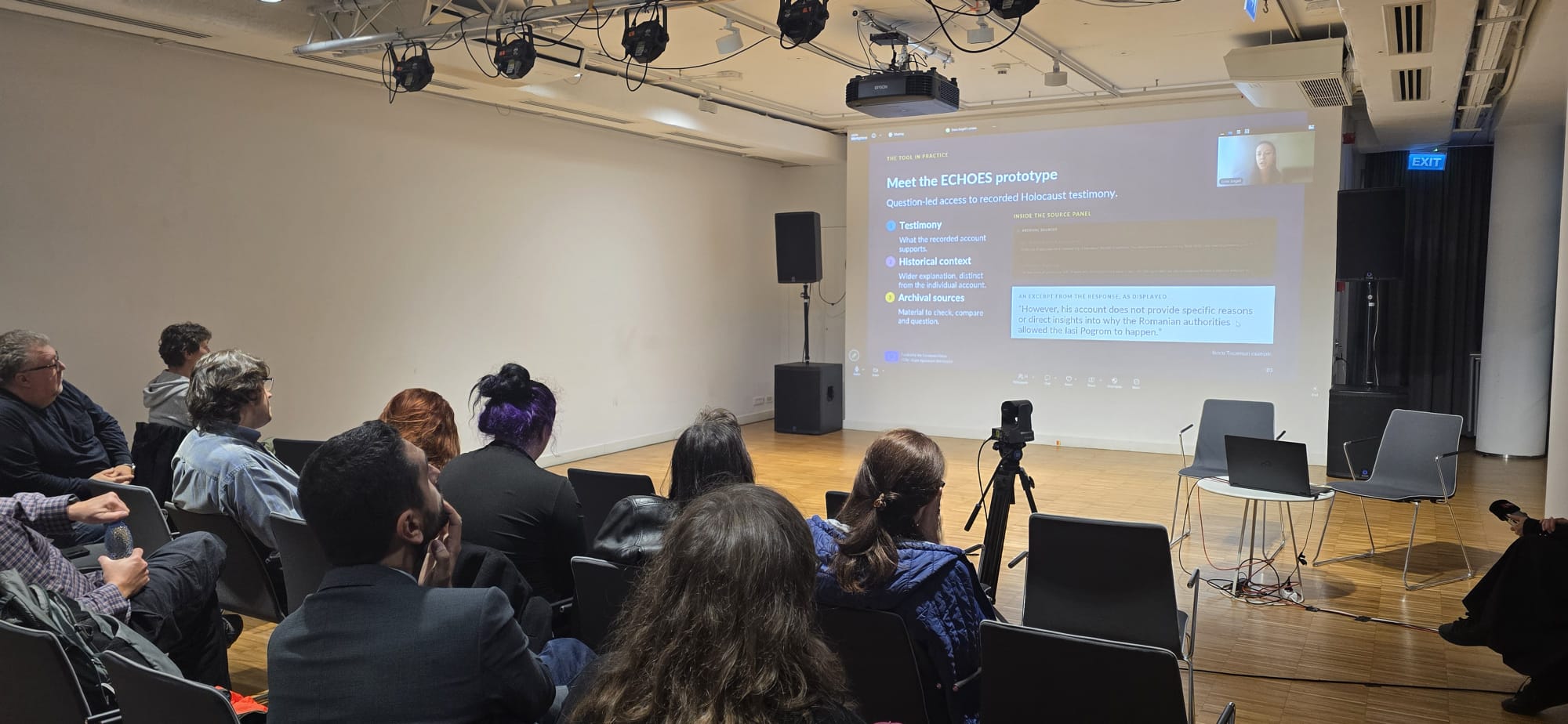
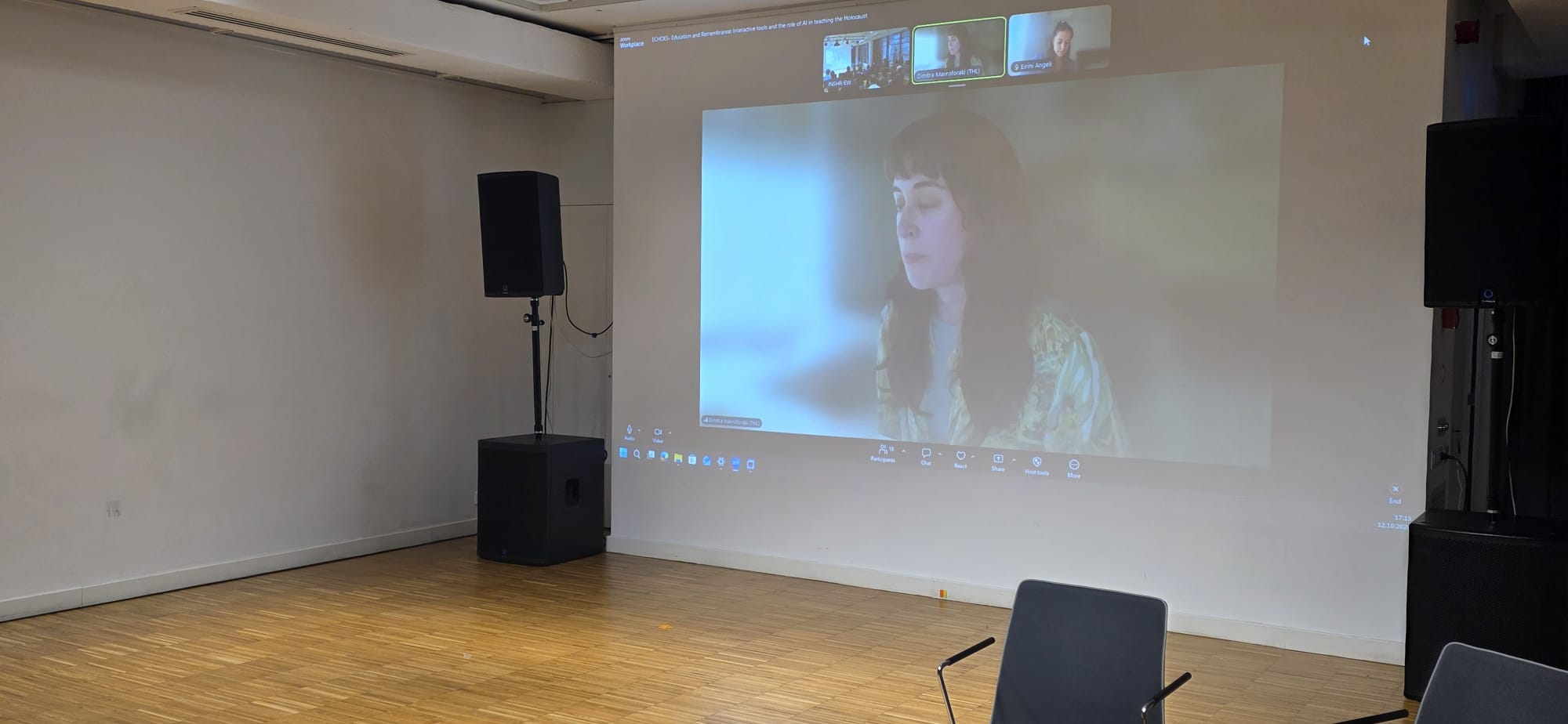
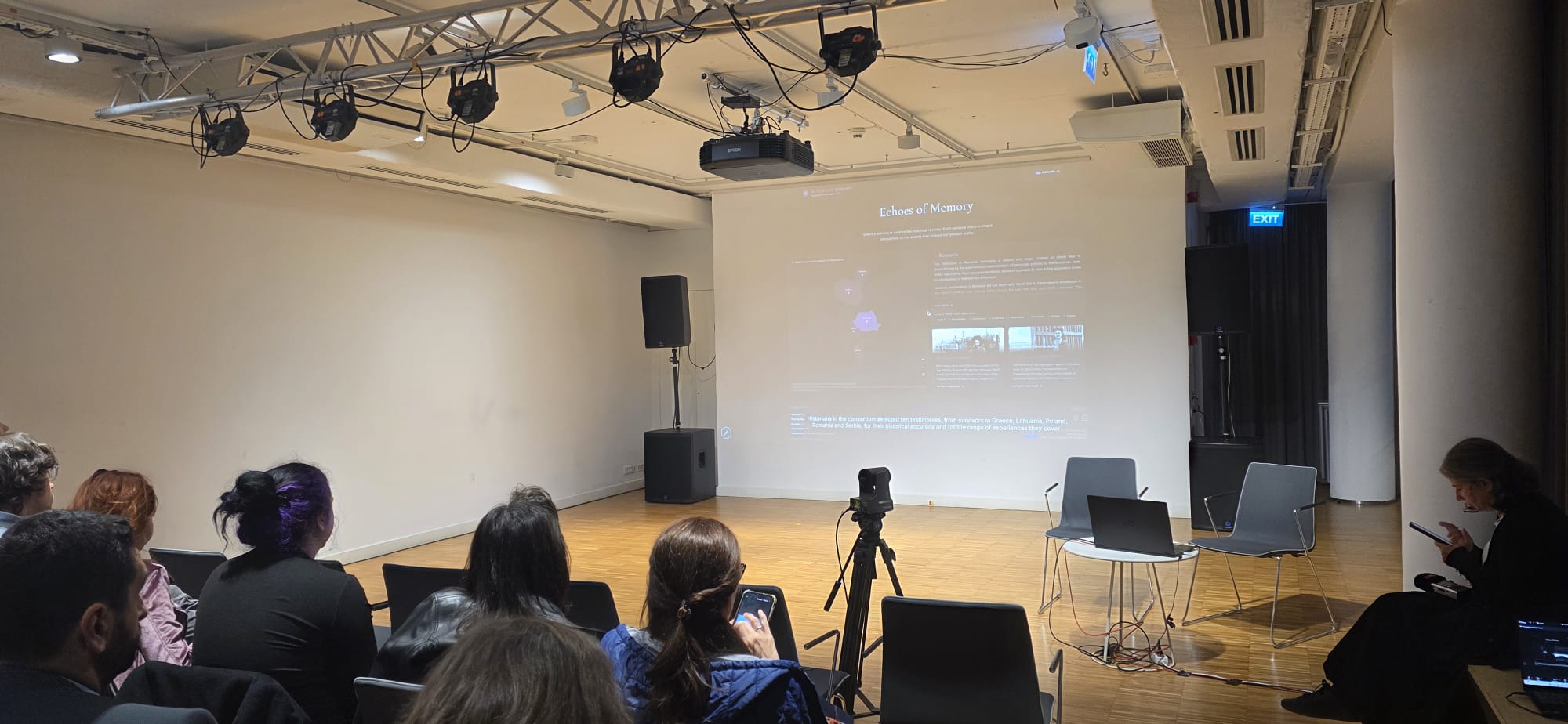
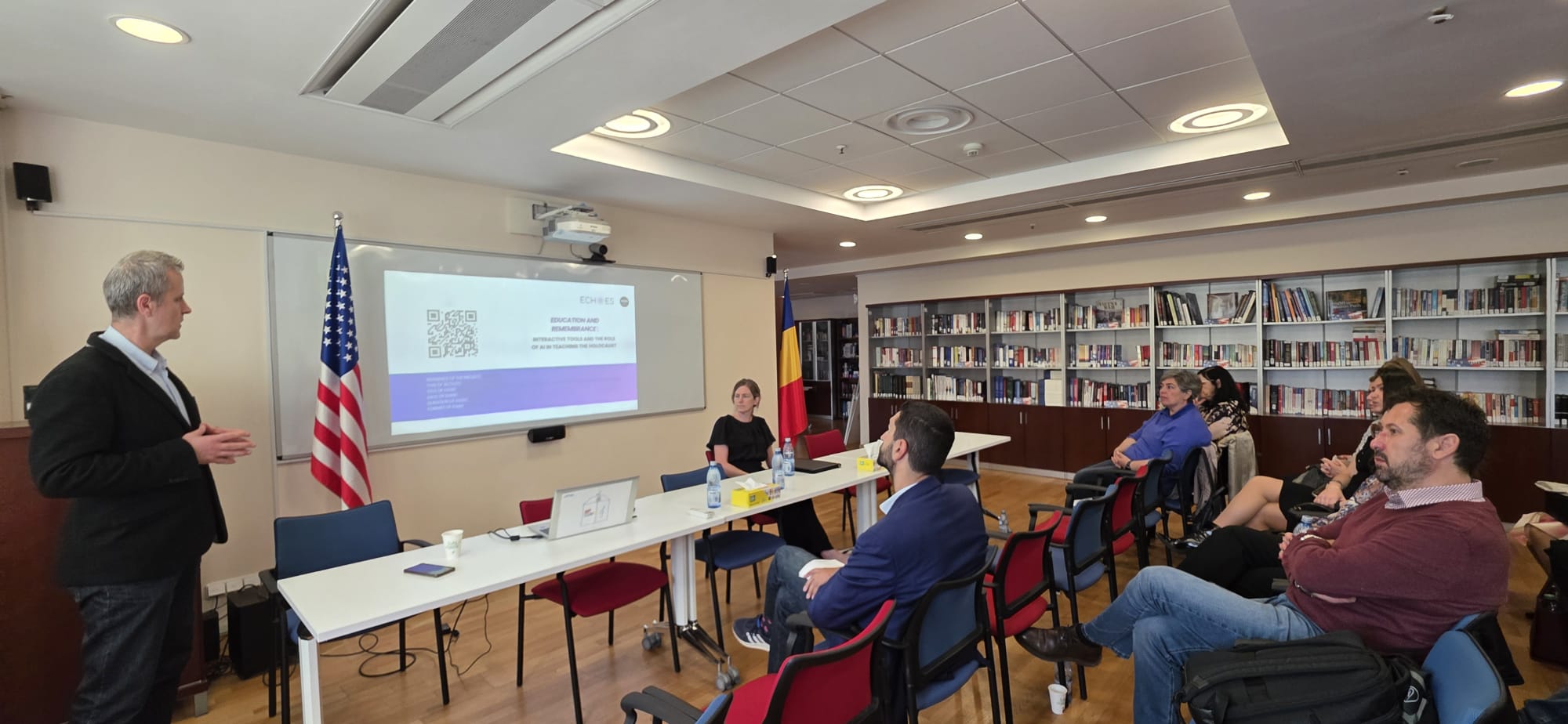
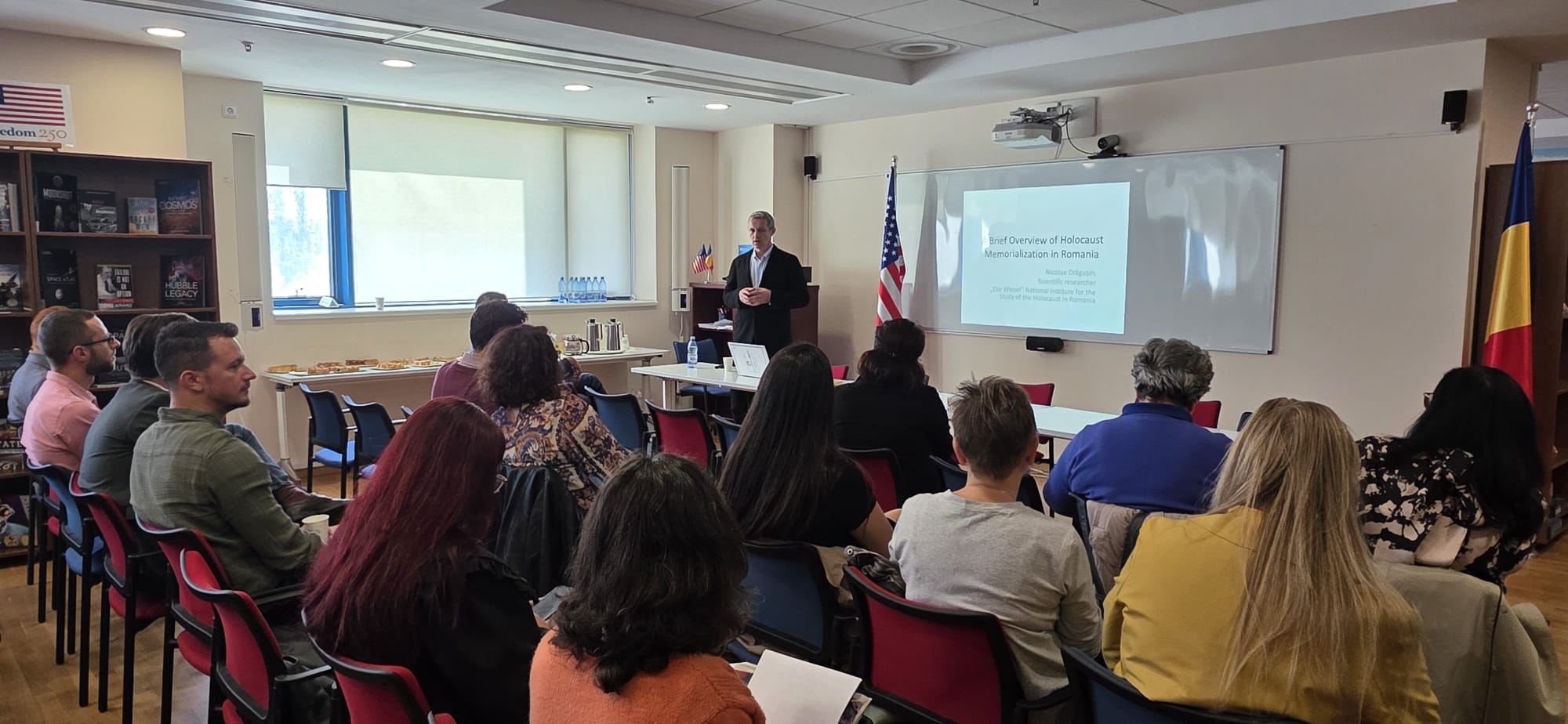
În aceeași zi, cadre didactice, cercetători și experți în procesul educațional au participat la un seminar organizat de Institutul „Elie Wiesel” în parteneriat cu Institutul-Goethe din București: „Education and Remembrance: Interactive Tools and the role of Ai in teaching the Holocaust”. Întâlnirea derulată în format hibrid (online și offline) a facilitat un schimb de experiență între profesioniști din România, Serbia și Grecia, privind instrumentele metodologice, utilizarea documentelor personale și integrarea informațiilor despre locurile memoriale în predarea istoriei Holocaustului. Totodată, participanții la seminar au asistat la prezentarea în format demo a instrumentului dezvoltat în cadrul proiectului ECHOES of Memory, interacționând într-un dialog despre provocările și riscurile implicării inteligenței artificiale în procesul educațional despre istoria Holocaustului.
That same day, teachers, researchers, and education experts attended a seminar organized by the “Elie Wiesel” Institute in partnership with the Goethe-Institut in Bucharest: “Education and Remembrance: Interactive Tools and the Role of AI in Teaching the Holocaust.”
The hybrid event (held online and in person) facilitated an exchange of experiences among professionals from Romania, Serbia, and Greece on methodological tools, the use of personal documents, and integrating information about memorial sites into Holocaust history education. At the same time, seminar participants attended a demo presentation of the tool developed as part of the ECHOES of Memory project and discussed the challenges and risks of incorporating artificial intelligence into Holocaust history education.
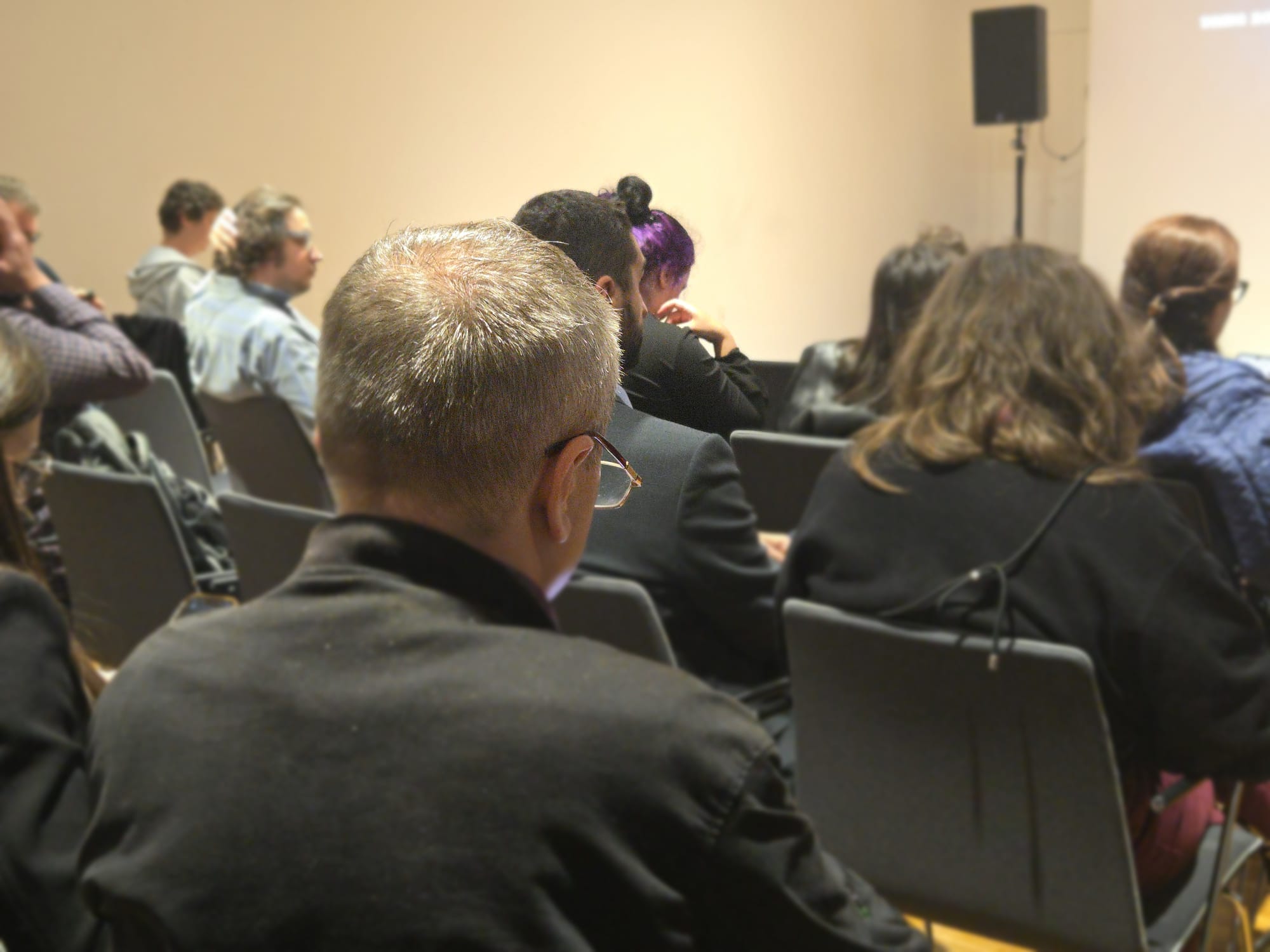
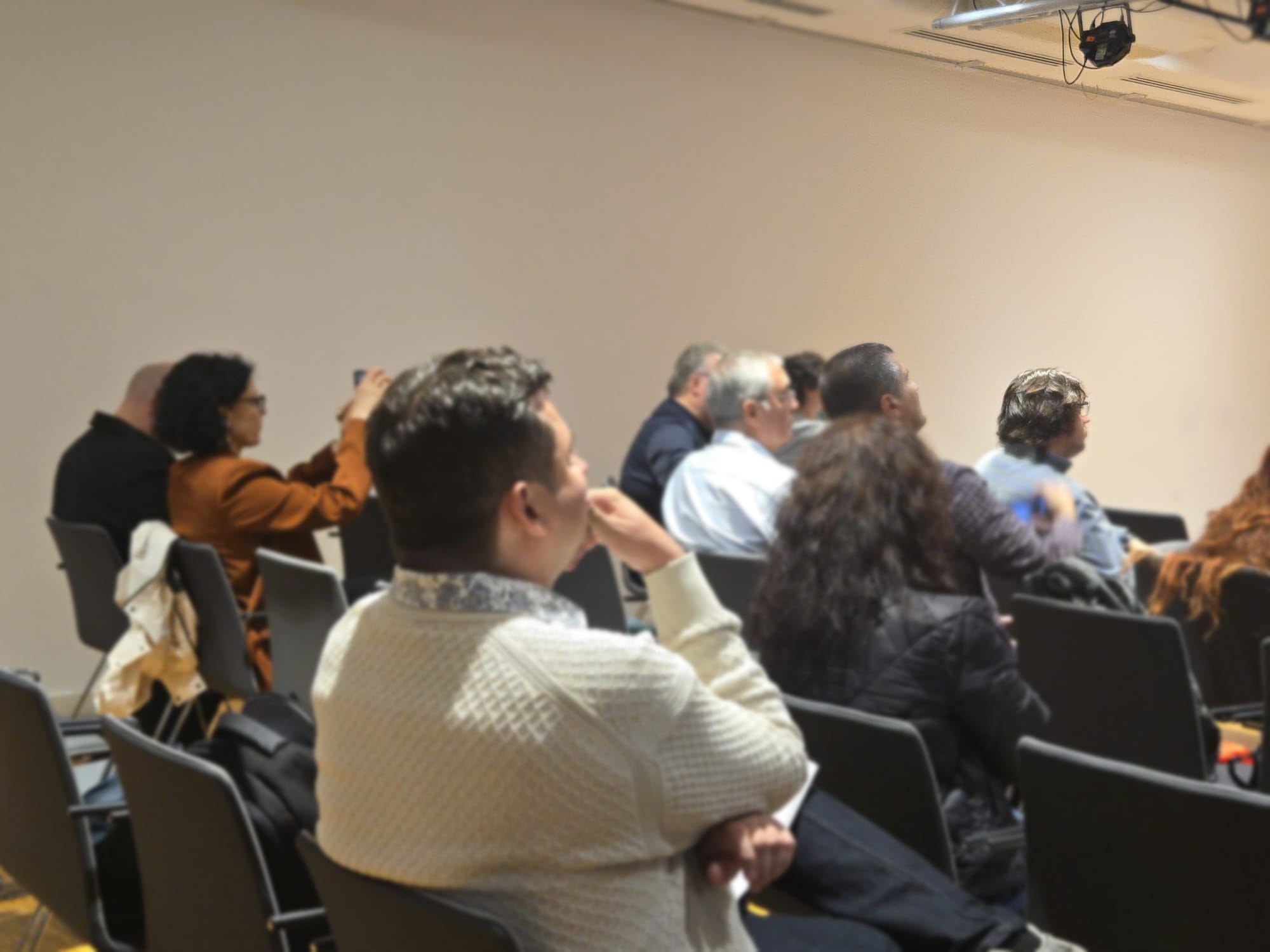
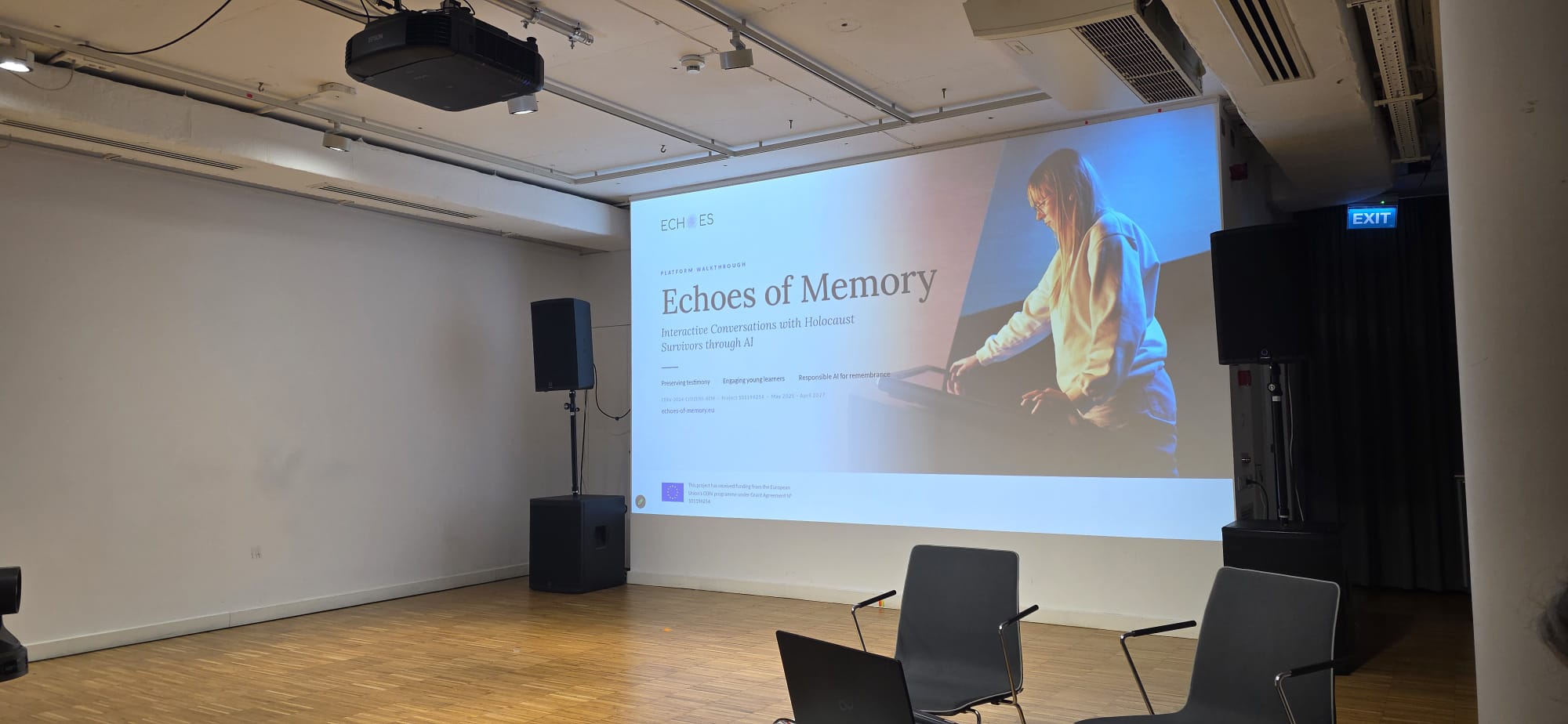
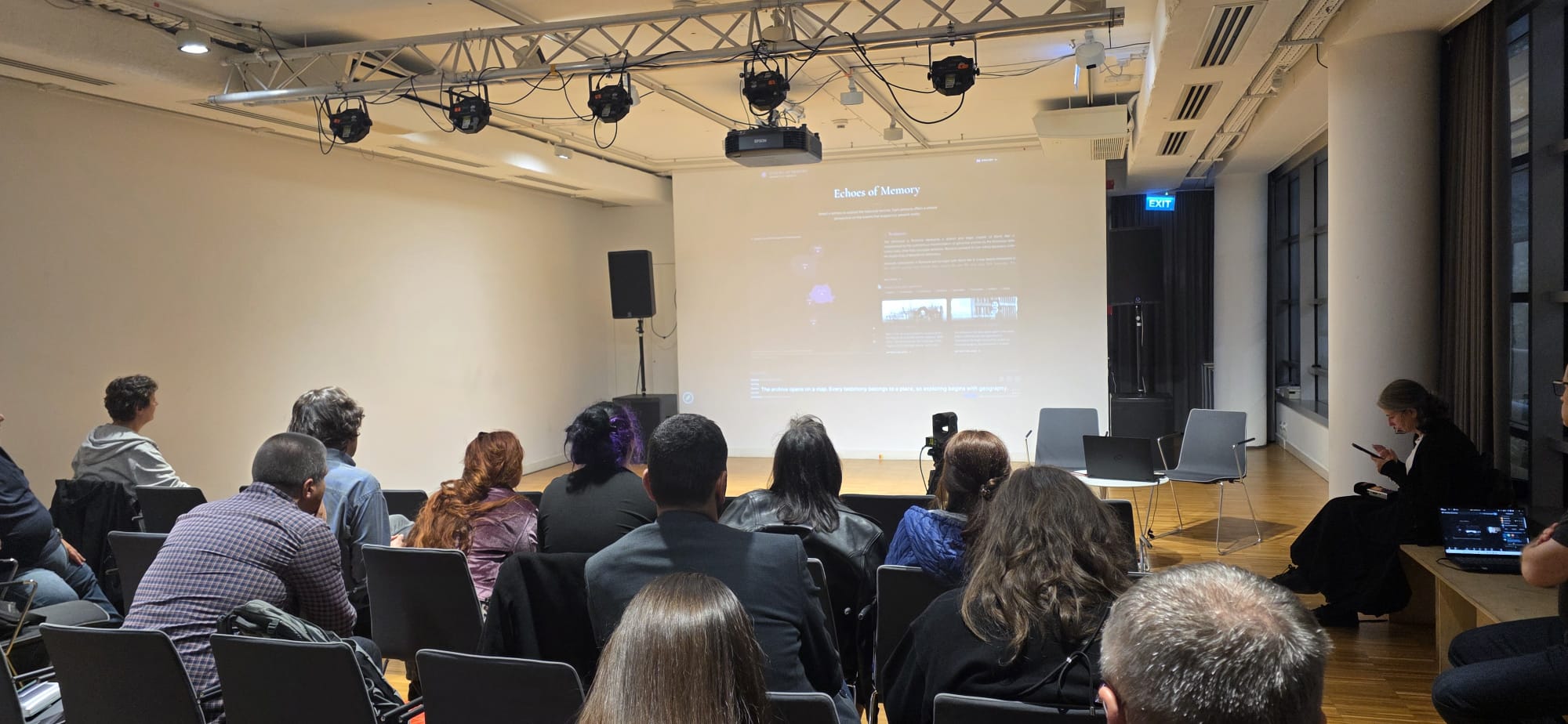
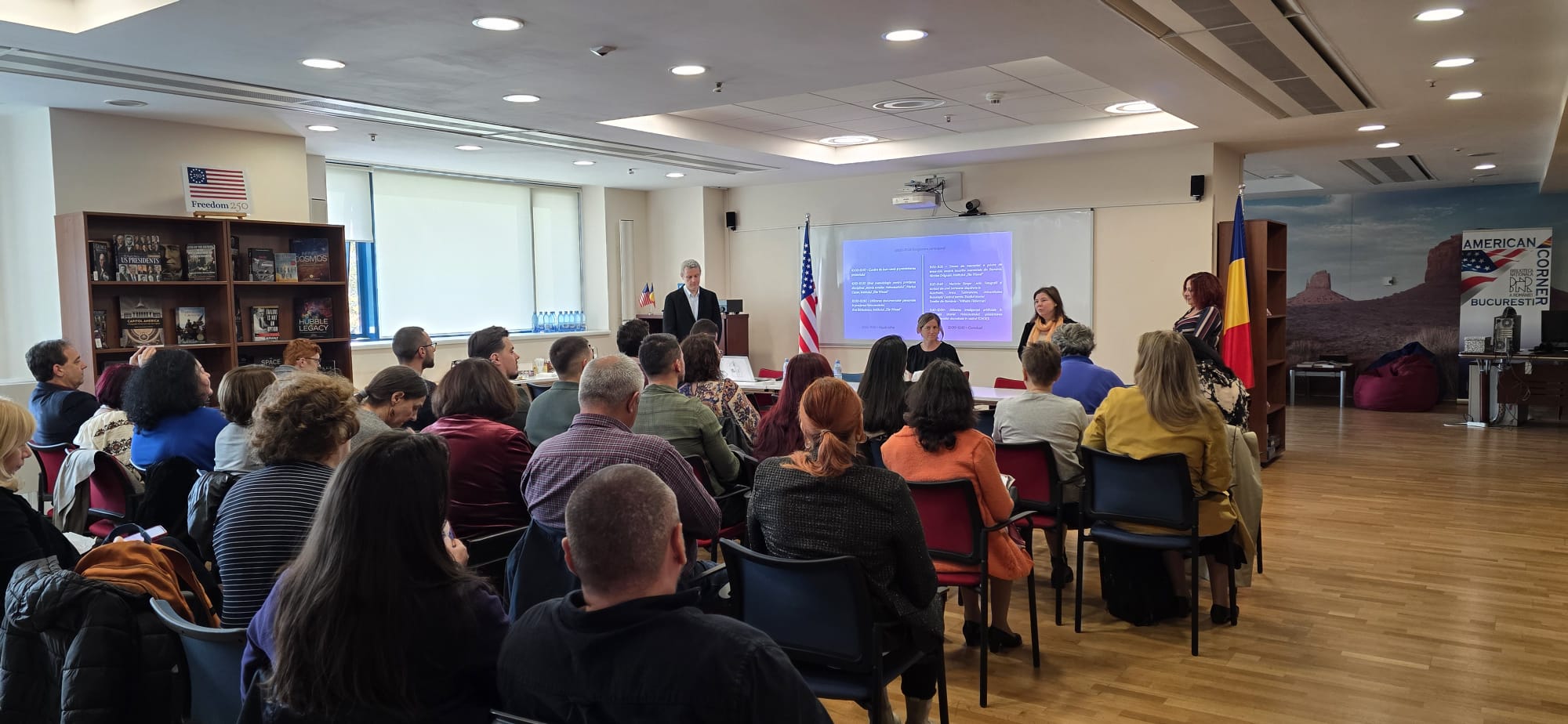
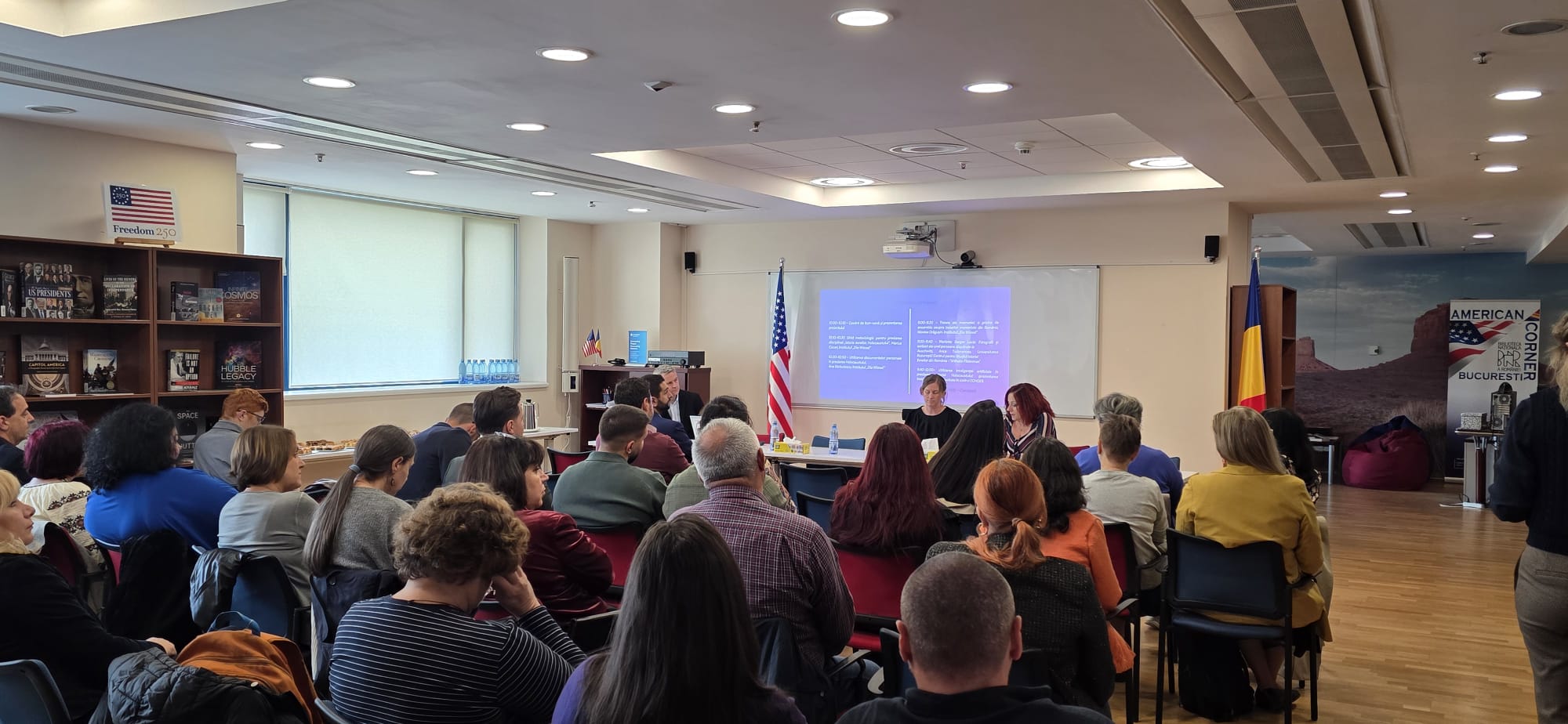
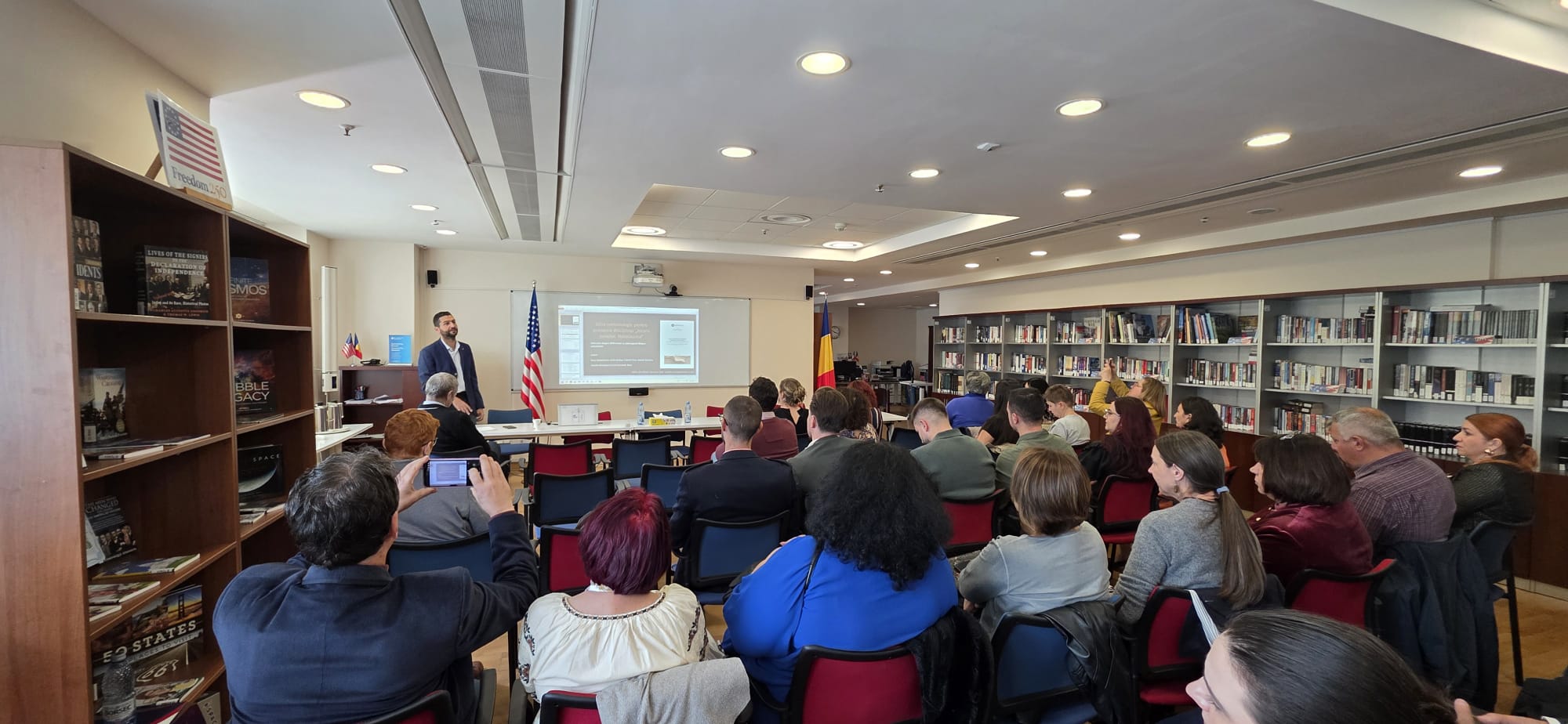
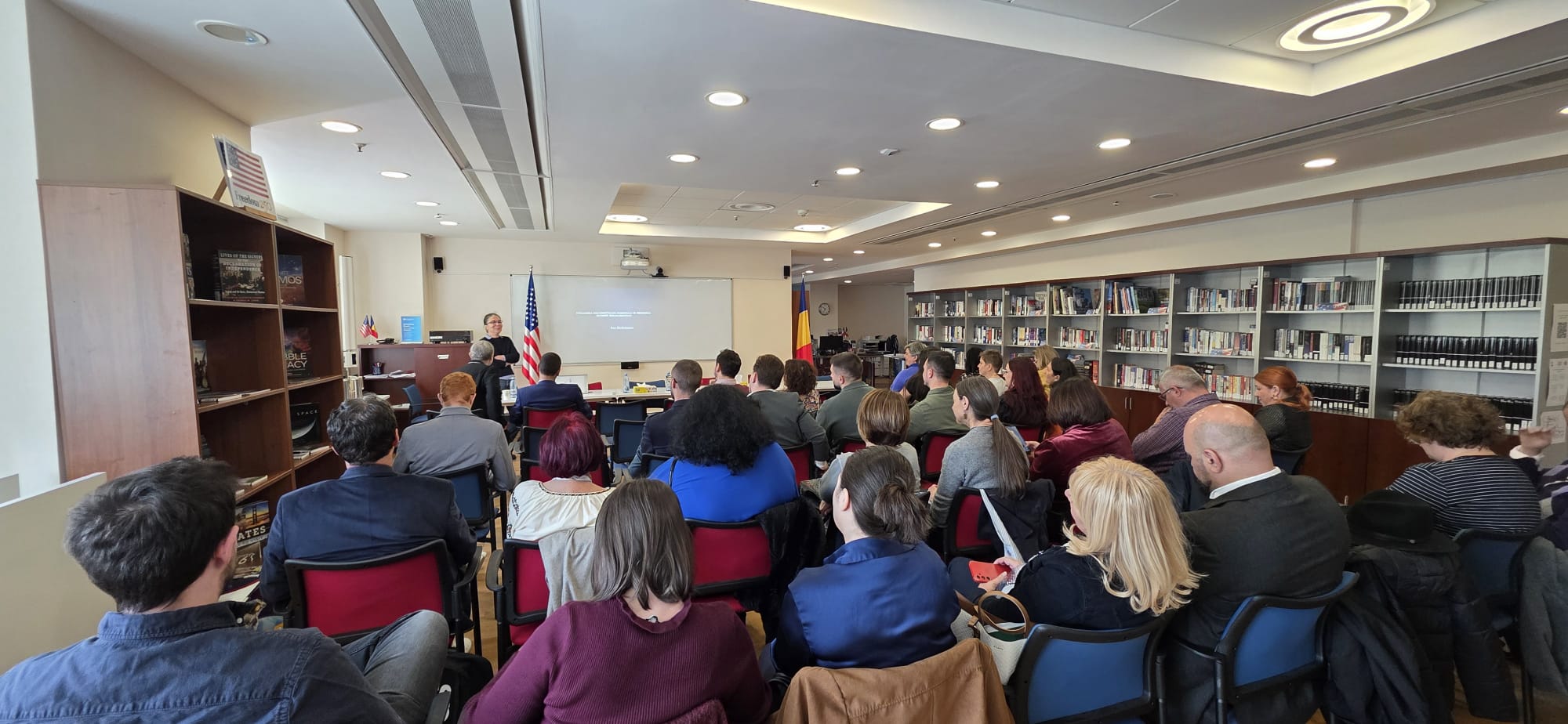
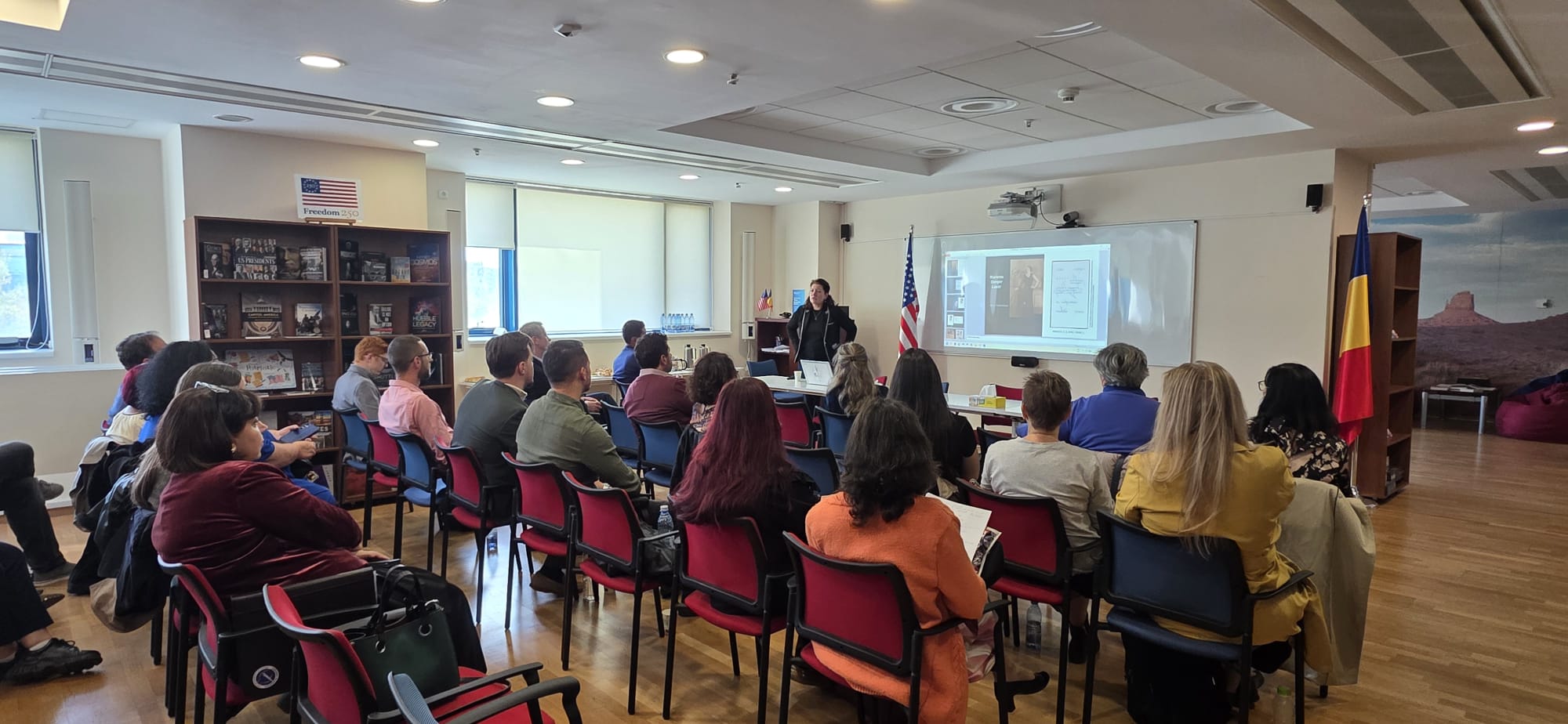
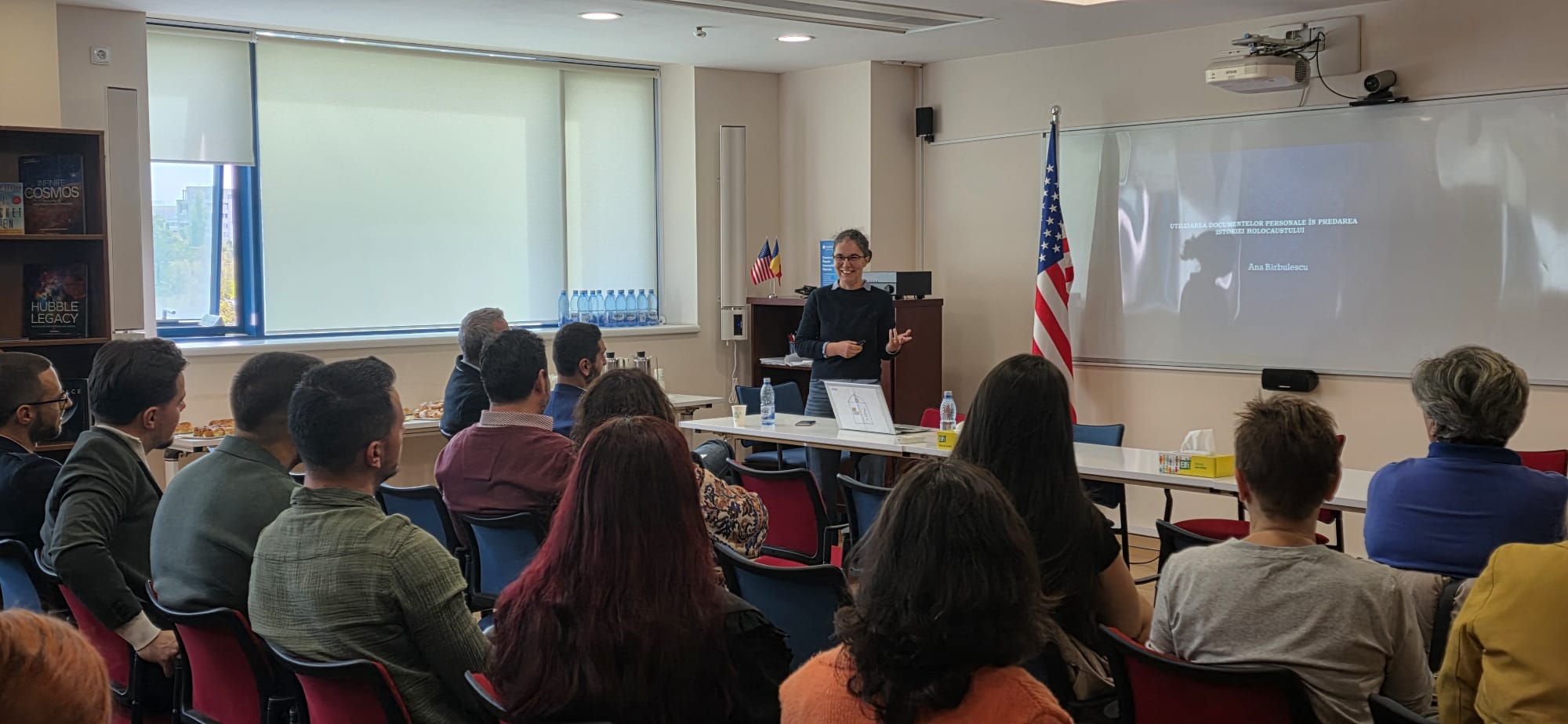
Miercuri, 14 octombrie, seria evenimentelor dedicate comemorării Zilei Naționale de Comemorare a Victimelor Holocaustului și derulate în cadrul proiectului ECHOES of Memory s-a încheiat cu un atelier de lucru organizat de Institutul „Elie Wiesel” cu sprijinul Inspectoratului Școlar al Municipiului București și al Ambasadei Statelor Unite ale Americii prin American Corner. La întâlnire au participat profesori de istorie din București, care au luat parte la un dialog despre instrumentele educaționale interactive utilizate în predarea istoriei Holocaustului și la prezentarea, în format demo, a platformei dezvoltate în cadrul proiectului ECHOES of Memory, destinată să sprijine procesul educațional.
On Wednesday, October 14, the series of events dedicated to commemorating the National Day of Remembrance for the Victims of the Holocaust—held as part of the ECHOES of Memory project—concluded with a workshop organized by the “Elie Wiesel” Institute with the support of the Bucharest Municipal School Inspectorate and the U.S. Embassy through the American Corner. History teachers from Bucharest attended the event, where they participated in a discussion on interactive educational tools for teaching the history of the Holocaust and watched a demo of the platform developed as part of the ECHOES of Memory project to support the educational process.
ECHOES of Memory își propune să creeze, cu ajutorul inteligenței artificiale (AI), instrumente metodologice prin care publicul să interacționeze cu mărturii ale supraviețuitorilor Holocaustului. Proiectul vizează astfel să sprijine educația despre Holocaust și să contribuie la creșterea gradului de cunoaștere a istoriei Holocaustului prin utilizarea unor instrumente tehnologice inovatoare într-un parteneriat transnațional între Grecia, Lituania, Polonia, România, Serbia, Macedonia de Nord.
Proiectul urmărește să ofere noi modalități și instrumente de învățare interactive, personalizate și accesibile unui public larg, în special tinerilor, contribuind astfel la conservarea mărturiilor supraviețuitorilor pentru generațiile viitoare și, implicit, la promovarea memoriei Holocaustului și a educației prin metode alternative despre istoria Holocaustului.
Echoes of Memory is a collaborative project focused on preserving the testimonies of Holocaust survivors and supporting Holocaust education for future generations. By using AI technology, the project offers interactive and accessible learning experiences that help address misinformation, encourage reflection, and promote shared values across Europe.
Its mission is to support the continued sharing of Holocaust history in a way that is engaging, respectful, and trustworthy. By connecting learners with survivors’ stories, we aim to help people better understand the past and reflect on the importance of respect, inclusion, and responsible citizenship.